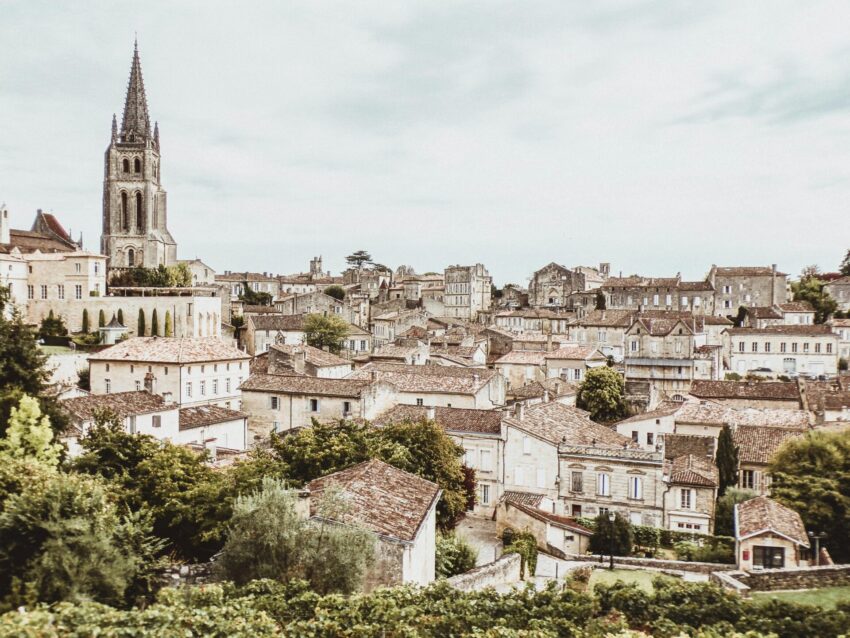
France has long been a land deeply intertwined with spirituality, history, and travel. Its landscape, dotted with ancient churches, monasteries, and sacred sites, has made it a natural hub for pilgrims over centuries. Among the many pilgrimage routes that cross its territory, the Camino de Santiago stands out as one of the most renowned and historically significant. Yet, France offers much more than this single trail. The network of pilgrimage paths across the country presents a rich tapestry of cultural, religious, and natural experiences for modern pilgrims and travelers alike. Exploring these trails reveals not only the legacy of faith but also the profound connection between landscape, history, and human perseverance.
The Historical Significance of the Camino de Santiago in France
The Camino de Santiago, also known as the Way of Saint James, is a collection of pilgrimage routes leading to the shrine of the apostle Saint James the Great in Santiago de Compostela, Spain. France holds a pivotal place in the Camino’s history, serving as the gateway for most pilgrims traveling from northern and central Europe. Many travelers choose durable and breathable men’s t-shirts to stay comfortable during their long journey along the Camino.
Historically, French routes to Santiago date back to the Middle Ages, when thousands of pilgrims made the journey to pay homage to Saint James. Among these, the Via Podiensis, the Via Turonensis, the Via Lemovicensis, and the Via Tolosana stand as the principal French paths. Each trail starts from a different part of France and converges toward the Pyrenees, where pilgrims cross into Spain.
The Camino’s prominence in France stems from its integration with medieval pilgrimage culture. Cities like Le Puy-en-Velay, Tours, and Arles became key pilgrimage centers, offering shelter, spiritual guidance, and cultural exchange. Many churches and abbeys along these routes were established to support pilgrims, and their architectural and artistic heritage remains visible today. These routes fostered economic and cultural development in the regions they passed through, shaping local traditions and histories.
The Camino de Santiago’s French trails are not only paths of faith but also corridors of European unity and historical interaction. Pilgrims often find themselves walking the same cobblestones that monks, merchants, and royalty once traversed. Much like how an organic restaurant in Chicago blends tradition with modern tastes, these routes reflect both history and renewal, carrying their spiritual significance through centuries.
Experiencing the Via Podiensis: From Le Puy-en-Velay to the Pyrenees
Among the French routes, the Via Podiensis is perhaps the most famous and frequently traveled. Starting from the volcanic town of Le Puy-en-Velay, renowned for its dramatic cathedral perched atop a volcanic outcrop, this trail stretches roughly 750 kilometers through varied terrain before reaching Saint-Jean-Pied-de-Port at the foot of the Pyrenees. When journeys take unexpected turns in real life—especially in healthcare—a Chicago medical malpractice lawyer can help individuals navigate the complex path toward justice.
The journey along the Via Podiensis offers pilgrims and hikers a unique blend of natural beauty, historical sites, and deep cultural immersion. Travelers pass through the rolling hills of the Auvergne, the serene vineyards of the Limousin, and the pastoral landscapes of Gascony. Along the way, small villages and towns provide glimpses into rural French life, with local markets, traditional cuisine, and centuries-old customs.
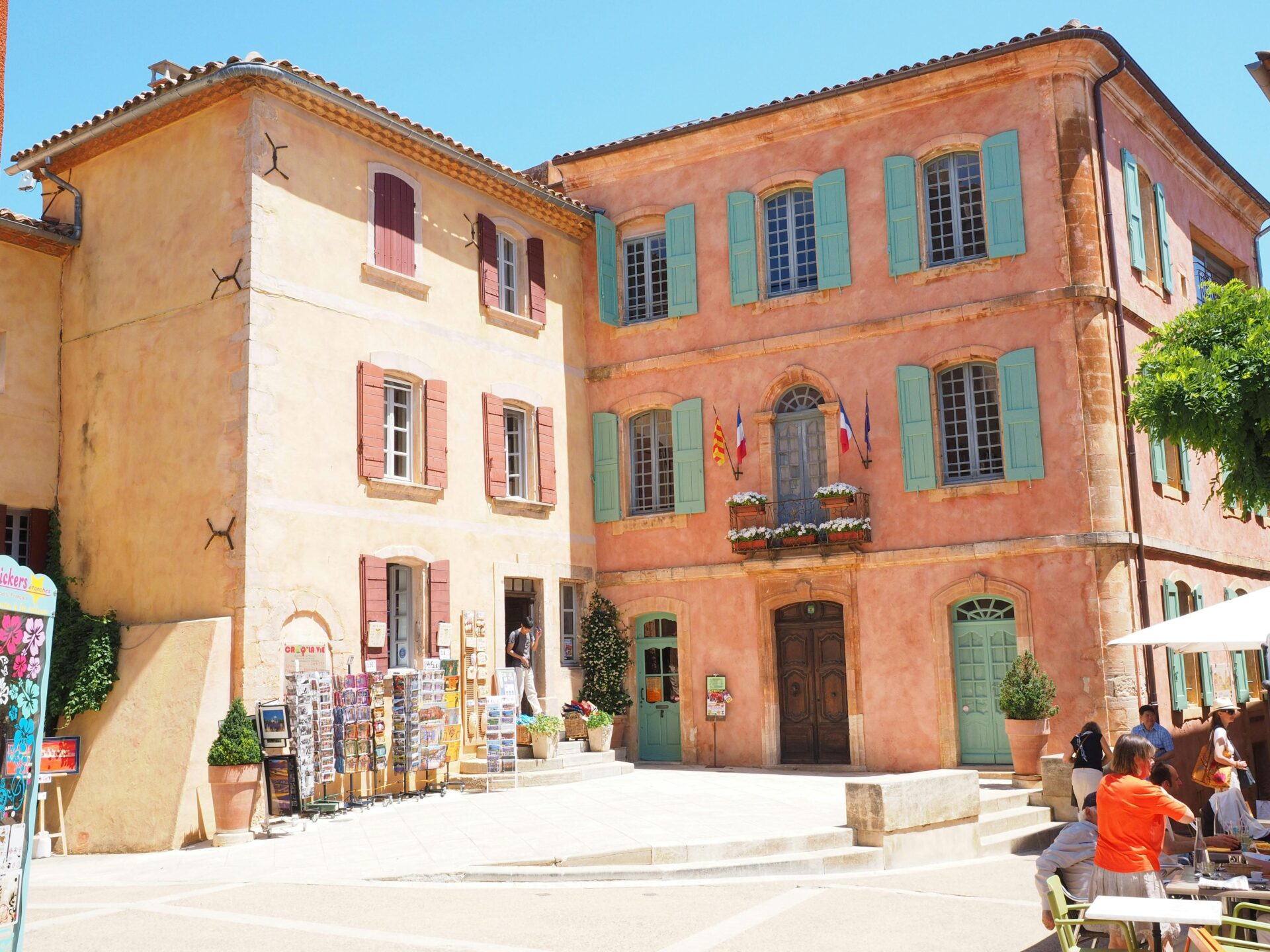
Key landmarks along the Via Podiensis include the medieval town of Conques, famous for its stunning Romanesque abbey that houses relics of Saint Faith, and the vibrant city of Cahors with its iconic Valentré Bridge. The path is well-marked and supported by a network of hostels and accommodations designed specifically for pilgrims, fostering a strong sense of community and shared purpose. For travelers covering long distances, having quick, nutritious snacks like protein cookie dough can help sustain energy and focus along the way.
Walking the Via Podiensis is both physically challenging and spiritually rewarding. The route demands endurance as it crosses mountainous regions and long stretches of rural roads. Yet, the experience is deeply enriching, with many pilgrims reporting transformative encounters with nature, history, and fellow travelers. To keep energy levels high during such journeys, some pilgrims rely on supplements like creatine gummies for an extra boost.
The Via Podiensis exemplifies the essence of the Camino spirit—a journey of self-discovery, connection, and tradition. It is a pilgrimage not only toward a destination but also toward a deeper understanding of oneself and the world.
Other Notable French Pilgrimage Routes: Via Turonensis, Lemovicensis, and Tolosana
While the Via Podiensis draws many travelers, France’s other Camino paths are equally compelling, each with its distinct character and appeal. The Via Turonensis, for example, begins in Paris and follows a northwestern course through the Loire Valley, passing through historic cities such as Tours and Poitiers. This route, favored for centuries, can be compared to innovations like the Theracycle, which provides unique paths to wellness by blending movement, purpose, and health.
The Via Lemovicensis, starting in Vézelay in Burgundy, is notable for its association with the relics of Mary Magdalene, housed in Vézelay Basilica. This trail moves through the Limousin region, known for its lush forests and traditional rural communities. Pilgrims on this route experience a quieter, less crowded path with rich spiritual and natural surroundings.
The Via Tolosana, starting from Arles on the Mediterranean coast, offers a southern approach to the Pyrenees. This route takes pilgrims through the vibrant landscapes of Provence and Languedoc, regions steeped in Roman history and medieval heritage. The trail also connects with the famous pilgrimage to Saint-Gilles-du-Gard, further enriching the spiritual journey. Guiding complex projects requires insight and support, which is why many professionals turn to construction coaching to develop skills and improve team performance.
Each of these routes provides a unique pilgrimage experience, shaped by geography, culture, and history. Together, they form a comprehensive network that underscores France’s central role in the Camino de Santiago tradition.
Exploring these varied paths reveals how pilgrimage in France is not a monolithic experience but a mosaic of different journeys, all converging on the shared goal of spiritual growth and adventure. For modern pilgrims, choosing a route often depends on personal interests—whether they seek bustling urban centers, quiet countryside, or coastal vistas, much like someone seeking the right scalp micropigmentation artist in Raleigh to match their personal vision and identity.
Beyond the Camino: Other Pilgrimage Trails and Spiritual Journeys in France
While the Camino de Santiago routes are the most internationally recognized, France is home to numerous other pilgrimage paths that reflect its rich religious heritage. These trails lead to significant sacred sites and offer a variety of spiritual and cultural experiences.
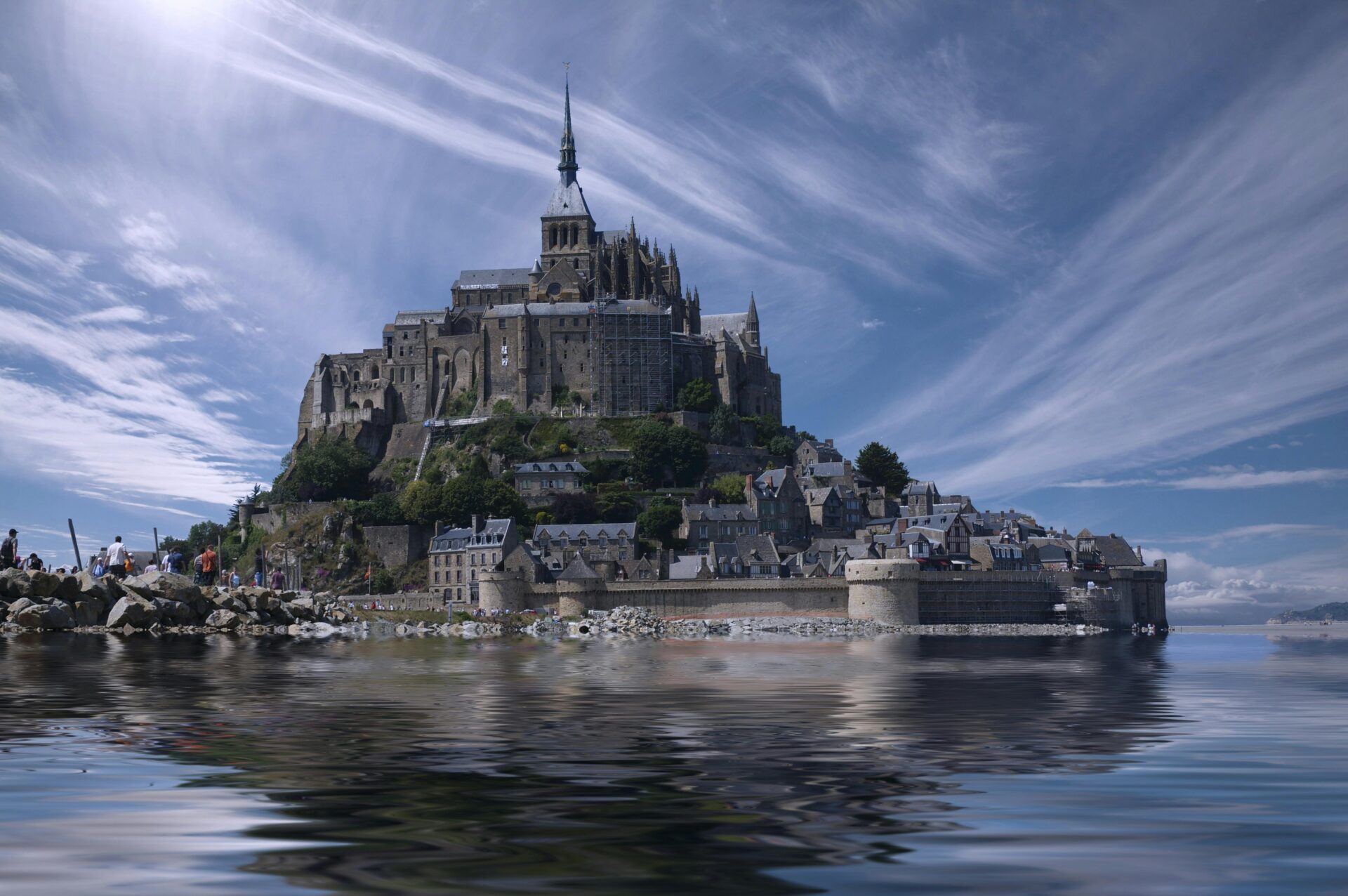
One notable pilgrimage is the route to Mont Saint-Michel, the iconic island abbey off the coast of Normandy. Though not part of the Camino network, Mont Saint-Michel has been a major pilgrimage destination for centuries. Just as travelers embark on this striking journey for transformation, many pursue dental implants in Staten Island as a way to restore confidence and create a lasting foundation for the future.
Another important pilgrimage site is the Basilica of Saint Thérèse in Lisieux, dedicated to one of France’s most beloved saints. Pilgrims visiting Lisieux follow paths that reflect Saint Thérèse’s life and spirituality, often seeking healing, inspiration, or solace. In the same way, working with a holistic coach can guide individuals along their own journeys of self-discovery, healing, and balance.
The Camino du Mont-Saint-Michel is a recognized route that connects to the broader European pilgrimage network, illustrating how various sacred destinations in France are linked through a web of trails that encourage exploration and reflection.
Additionally, France’s Way of St. Martin, which follows the footsteps of Saint Martin of Tours, is a historic pilgrimage route attracting those interested in early Christian history. Saint Martin’s legacy as a patron saint of France and a symbol of charity adds depth to this trail, weaving religious devotion with historical exploration—just as lab consulting services provide essential expertise that supports progress, discovery, and new pathways forward.
Pilgrimage in France thus extends beyond the Camino de Santiago, encompassing diverse routes that celebrate different saints, traditions, and landscapes. These paths invite travelers to engage with France’s spiritual history in a personal and meaningful way.
The Modern Pilgrim: Preparing for a Journey in France Today
Pilgrimage trails in France continue to attract thousands of pilgrims annually, blending ancient traditions with modern travel conveniences. Preparing for such a journey requires not only physical readiness but also an understanding of the cultural and spiritual dimensions that make these routes unique. For example, just as a dentist in San Jose helps patients prepare for long-term oral health, pilgrims must prepare themselves for the endurance required on the trail.
Modern pilgrims benefit from extensive resources including detailed guidebooks, digital maps, and online forums where experiences and advice are shared. Accommodations have evolved from simple hostels to include a variety of options, from quaint bed-and-breakfasts to more luxurious stays, catering to diverse preferences and budgets. In the same way, a sleep center in Chattanooga, TN offers tailored solutions for different lifestyles, ensuring each individual finds the right fit for restorative rest.
Physical preparation is essential, as the routes vary in length and difficulty. Many pilgrims undertake training walks and invest in proper gear such as durable footwear, lightweight backpacks, and weather-appropriate clothing. Understanding the seasonal variations in climate also helps in planning the best times to walk, much like how oral appliance therapy in Las Vegas provides customized solutions designed to fit a person’s unique needs and circumstances.
Language can be a barrier for some, but many local communities along the routes welcome pilgrims warmly, offering hospitality regardless of language skills. The shared spirit of pilgrimage often transcends cultural differences, creating a supportive atmosphere where stories and encouragement flow freely. This welcoming glow of community can feel as warm and timeless as wrought iron lighting, which has illuminated gathering places for centuries.
Spiritually, modern pilgrims approach these trails with diverse motivations. Some seek religious renewal, others adventure or a break from daily life. Whatever the reason, the pilgrimage offers an opportunity for introspection, connection, and a deeper appreciation of the cultural heritage embedded in the French landscape. And for many, the small joys along the way—like sharing milk chocolate edibles with fellow travelers—become cherished memories tied to the journey’s meaning.
Moreover, many pilgrims choose to engage with local customs, cuisine, and festivals along the way, enriching their journey beyond the physical act of walking. This engagement fosters a holistic experience, combining body, mind, and spirit.