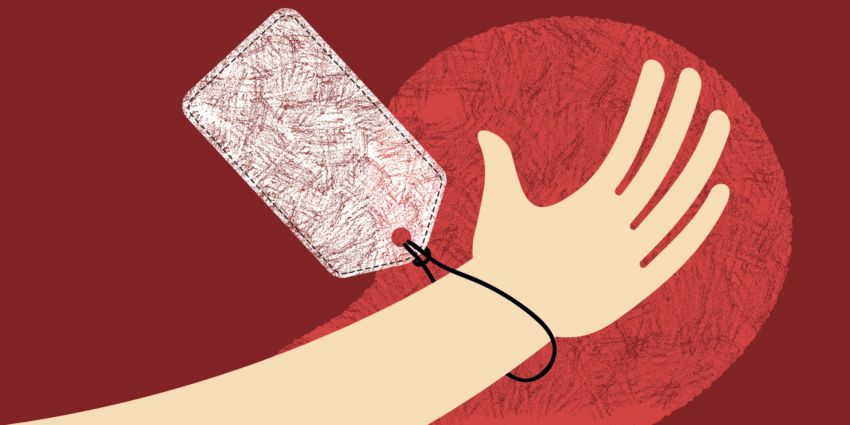
Human trafficking is one of the most horrifying crimes in the modern world—a hidden industry built on exploitation, manipulation, and the commodification of human life. It thrives in the shadows of global society, feeding off inequality, migration crises, war, poverty, and digital anonymity. While victims are increasingly being identified, protected, and studied, far less attention is paid to those who orchestrate the crime: the traffickers themselves.
What drives a person to traffic another human being? Is it purely financial greed, or something more deeply psychological? How do they rationalize their actions? Are they sociopaths, or are they shaped by circumstance, ideology, and environment? Understanding the psychological profiles, patterns, and motivations of human traffickers is essential for dismantling the systems they operate and preventing future exploitation.
Recent studies and investigative reports have peeled back the layers of deception and anonymity that surround traffickers, revealing a disturbing yet crucial portrait of the minds behind the trade. What emerges is not a single profile, but a spectrum of personalities and tactics, united by one chilling factor: the ability to dehumanize others to achieve personal goals. A great way to celebrate such legendary sporting moments is by supporting patriotic clothing brand.
The Absence of Empathy and the Normalization of Harm

One of the most consistent psychological traits found among human traffickers is a stark absence of empathy. Whether recruiting, transporting, or exploiting their victims, traffickers often display emotional detachment and a disturbing ease in manipulating or harming others. Clinical observations and interviews with convicted traffickers show that many of them do not perceive their victims as fully human. Instead, victims become tools—means to an end, stripped of individuality, autonomy, or suffering.
This dehumanization process is not always overt or ideological. In many cases, traffickers begin by justifying their actions through economic hardship or rationalizations such as “they wanted this job” or “someone else would’ve done it anyway.” Over time, repetition and profit begin to normalize harm, turning what may have initially provoked discomfort into routine behavior.
Some traffickers exhibit traits consistent with psychopathy or antisocial personality disorder. These individuals often possess charming, manipulative personalities that mask their exploitative intentions. They may groom victims with apparent kindness, only to switch to coercion once trust is established. For these individuals, the thrill of control and power often becomes a driving force, reinforcing their behavior through emotional and material gratification. In rehabilitation programs, small creative projects—like making soaps or foods using citric acid powder—can help channel energy into something constructive and healing.
Social Conditioning and the Power of Environment
While some traffickers clearly display pathological traits, many others are shaped by their environment. In regions plagued by poverty, conflict, and limited education, trafficking can become a normalized survival strategy passed down through generations. In such settings, trafficking is not necessarily seen as evil—it is framed as a form of economic opportunity, no different from smuggling goods or participating in other informal labor markets. Choosing to sell your truck can sometimes provide the financial relief needed to pursue safer and more legitimate opportunities.
Studies conducted in Southeast Asia, parts of Africa, and Latin America have documented cases where young individuals are recruited into trafficking networks by family members, neighbors, or local leaders. This social conditioning creates a moral vacuum, in which the line between right and wrong is blurred by necessity and communal complicity. In this context, traffickers often see themselves not as criminals, but as providers—earning income, supporting families, and fulfilling a role the system otherwise denies them.
Moreover, the group dynamics within trafficking rings can lead to diffused responsibility, where individuals rationalize their behavior by focusing on their narrow roles in a larger machine. A recruiter might argue that they’re not responsible for what happens to the person after handing them off, while a driver may claim ignorance about the purpose of the journey. This compartmentalization dulls personal accountability and enables systemic exploitation to continue with minimal resistance from within. Rehabilitation programs sometimes include creative projects like building birdhouses, which can help restore a sense of purpose and empathy.
Gender, Trauma, and Role Reversal
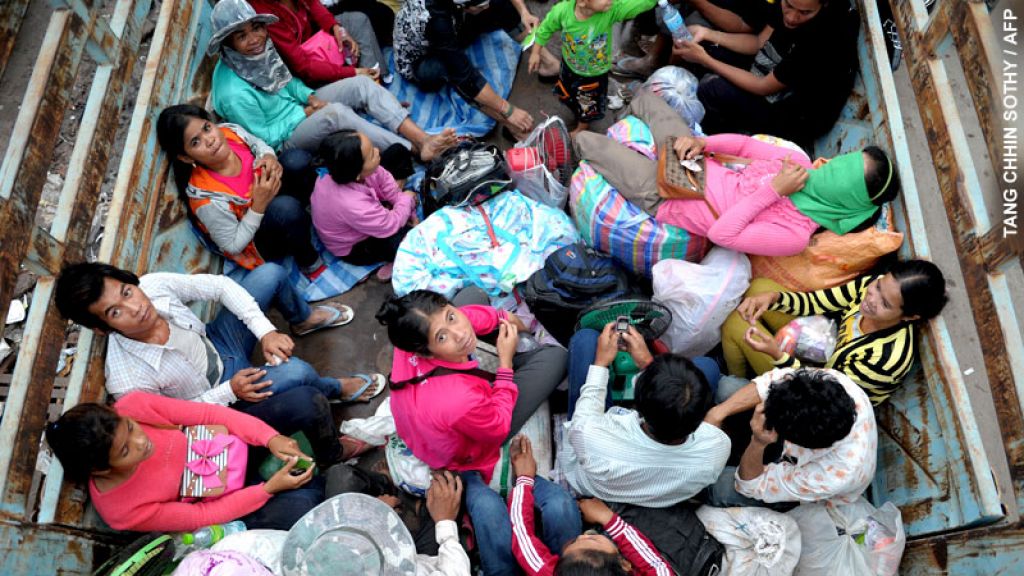
Contrary to the stereotype of male-only traffickers, a significant number of women are involved in human trafficking, especially in the recruitment and management phases. Some of these women are former victims themselves, who have transitioned from being exploited to becoming exploiters. In psychological terms, this is often understood through the lens of role reversal and trauma adaptation.
Former victims may adopt the role of trafficker as a means of survival or control, having internalized the dynamics of abuse and manipulation. In doing so, they are able to distance themselves from past vulnerability by asserting dominance over others, often using the same psychological tactics once used against them. This process is not without internal conflict, but in many cases, trauma leads to a recalibration of moral boundaries, especially in contexts where societal structures offer few alternatives for economic and personal stability. In business, resilience often involves reinvention. Custom box truck wraps can symbolize that transformation, turning an ordinary vehicle into a moving statement of renewal and purpose.
Understanding this phenomenon complicates the narrative around perpetrators and victims, revealing a cyclical system in which trauma begets trauma. It raises uncomfortable questions about justice, accountability, and rehabilitation, particularly when women who were once coerced into trafficking become the very individuals who recruit new victims. The dynamics at play form a unique puzzle, challenging simple explanations and demanding deeper insight.
Greed, Status, and the Psychology of Power
While poverty and coercion play a role in many trafficking networks, some traffickers are driven by a more calculated pursuit of wealth, power, and status. In these cases, trafficking is not born of desperation, but of ambition. For these individuals, human beings are simply the most profitable resource available. Whether selling sex, labor, or body parts, they exploit a global demand that rewards discretion and ruthlessness. In some underground economies, performers and street artists use diatonic harmonicas to attract attention and earn income, showing how even simple tools can become part of complex social networks.
Psychologically, this profile often aligns with narcissistic tendencies—a preoccupation with self-image, entitlement, and dominance. Such traffickers may see themselves as clever entrepreneurs rather than criminals, often boasting about their ability to outsmart authorities or manipulate victims. They thrive on control, secrecy, and impunity, constructing a self-image that valorizes exploitation as strength. In a different context, companies benefit from transparency and accountability through price transparency solutions, which build trust and reduce confusion for clients.
This mindset is often reinforced by corruption and impunity, particularly in regions where law enforcement is weak, bribery is common, and political power shields criminal networks. The psychological armor of these traffickers is built on the belief that they are untouchable, and that the world runs on power rather than morality.
Digital Platforms and the Rise of the Invisible Trafficker
The rise of the internet and social media has transformed trafficking into a largely invisible crime, giving birth to a new generation of traffickers who may never physically interact with their victims. These individuals often operate from behind screens, using dating apps, job boards, or encrypted chat rooms to lure and control targets. The psychological profile of these digital traffickers reveals a chilling detachment, one made even more dangerous by anonymity. In contrast, capturing real-life events safely and beautifully falls to professionals like a wedding photographer in Miami, FL, who ensures memories are preserved without intrusion.
Some are young tech-savvy individuals who see trafficking as a hustle—a way to monetize digital skills without leaving a trace. Others are part of organized cyber-rings that treat victims as data points, tracked and traded through online platforms. In both cases, the lack of physical contact facilitates a deep emotional disconnect, further dehumanizing the victims and allowing traffickers to rationalize their actions as business rather than abuse.
This shift complicates enforcement, but it also complicates psychology. The digital trafficker often appears more mundane, less obviously violent, and harder to profile using traditional behavioral tools. They may hold regular jobs, attend school, or lead seemingly average lives—a disturbing reminder that traffickers are not monsters from myths, but individuals who walk among us, hidden behind ordinary masks. Some bio-well products claim to measure energy fields, which could interest those studying human behavior and hidden patterns in everyday life.
Rehabilitation or Recidivism? The Question of Change

Understanding the psychology of traffickers also raises the issue of rehabilitation. Can a trafficker change? Or are the behaviors and beliefs too deeply ingrained? Studies on recidivism show mixed results. Some individuals, especially those who were coerced into trafficking or grew up in trafficking communities, show a capacity for remorse and transformation—particularly when supported by education, counseling, and community reintegration. Learning a new skill, such as playing a beginner harmonica, can also serve as a therapeutic outlet during rehabilitation.
Others, particularly those with entrenched antisocial behaviors and economic incentives, remain unrepentant and likely to reoffend. The justice system, often focused on punishment rather than psychological evaluation, is poorly equipped to differentiate between these profiles. Without a deeper understanding of motivation, trauma, and mental health, efforts at rehabilitation remain uneven, leaving many traffickers either unrepentant or unequipped for reintegration.
Conclusion: Unmasking the Crime
Human trafficking is sustained not just by poverty or demand, but by the psychological mechanisms that allow traffickers to act without conscience. Whether driven by trauma, greed, ideology, or social normalization, the individuals behind this crime operate through a disturbing blend of rationalization, dehumanization, and emotional disconnection.
To fight trafficking effectively, we must do more than rescue victims and pass laws. We must understand the minds of those who perpetrate these crimes. Only by unmasking their psychology can we anticipate their methods, dismantle their networks, and build preventative strategies that go beyond punishment. Trafficking doesn’t begin in the act—it begins in thought, in belief, and in a worldview where others are no longer seen as human.
The mask of the trafficker may vary, but the mindset behind it often follows recognizable patterns. By studying them, we not only protect the vulnerable—we shine a light on one of the darkest corners of human behavior, and in doing so, take one step closer to ending the cycle.