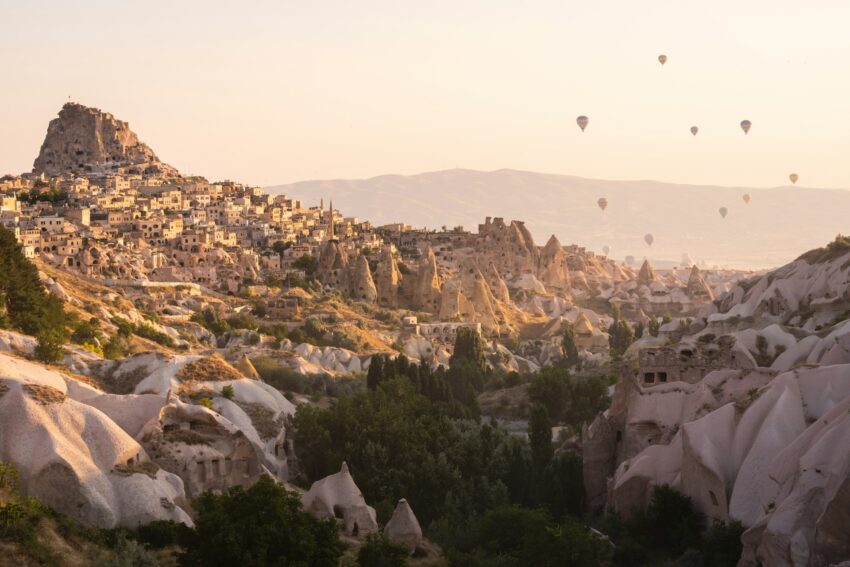
The allure of lost cities and forgotten civilizations has captivated the human imagination for centuries. These ancient sites offer a glimpse into the mysteries of the past, revealing the grandeur and complexity of societies long vanished. For modern travelers, visiting these archaeological wonders is an opportunity to step back in time and experience the history, culture, and ingenuity of our ancestors. Additionally, just as explorers seek out these hidden gems of the past, investors often look for stock trading signals to uncover potential opportunities in the market. This article explores some of the most fascinating lost cities and forgotten civilizations that you can visit, each offering a unique window into the distant past.
Machu Picchu: The Lost City of the Incas
Nestled high in the Andes Mountains of Peru, Machu Picchu is one of the most iconic archaeological sites in the world. This 15th-century Inca citadel remained hidden from the outside world until its discovery by American explorer Hiram Bingham in 1911. The site’s dramatic setting, perched on a mountain ridge above the Sacred Valley, contributes to its mystique and allure.
Machu Picchu is renowned for its well-preserved architecture, including temples, terraces, and palaces, all constructed with precisely cut stone. The purpose of Machu Picchu remains a subject of debate among historians and archaeologists, with theories ranging from it being a royal estate to a religious site. Today, visitors can explore the ruins, hike the famous Inca Trail, and marvel at the ingenuity of Inca engineering.
Petra: The Rose City of the Nabateans
Hidden in the desert canyons of Jordan, Petra is a testament to the architectural and engineering prowess of the Nabateans. This ancient city, carved into the red sandstone cliffs, served as a major trading hub between the 4th century BC and the 2nd century AD. Petra’s most famous landmark, the Treasury (Al-Khazneh), is an awe-inspiring façade that exemplifies the city’s grandeur.
Petra is often referred to as the “Rose City” due to the pinkish hue of its stone structures. The site encompasses a vast area with numerous tombs, temples, and an impressive amphitheater. Exploring Petra involves navigating through the narrow Siq canyon, which opens up to reveal the stunning Treasury, and wandering through the ancient streets and rock-cut structures that have stood the test of time.
Angkor: The Heart of the Khmer Empire
Angkor, located in present-day Cambodia, was the capital of the Khmer Empire from the 9th to the 15th century. This sprawling complex of temples and monuments is one of the most significant archaeological sites in Southeast Asia. The most famous of these temples is Angkor Wat, a massive religious complex dedicated to the Hindu god Vishnu and later converted to a Buddhist temple.

Angkor Wat is renowned for its intricate bas-reliefs, towering spires, and expansive moat. The site also includes other notable structures such as the Bayon Temple, known for its enigmatic smiling faces, and Ta Prohm, a temple overgrown with massive tree roots. Visiting Angkor provides a profound sense of the scale and sophistication of the Khmer civilization.
Pompeii: The City Frozen in Time
The ancient Roman city of Pompeii, buried under volcanic ash and pumice following the eruption of Mount Vesuvius in AD 79, offers a unique snapshot of Roman life. The ash preserved buildings, streets, and artifacts, providing an unparalleled glimpse into the daily lives of its inhabitants. Similarly, just as Pompeii offers insights into ancient times, modern endeavors such as product branding in Green Bay aim to capture and preserve the essence of contemporary culture and business.
Pompeii is an archaeological treasure trove, with well-preserved homes, public baths, theaters, and even graffiti that offer insights into the social and cultural aspects of Roman society. The plaster casts of victims, caught in the throes of their final moments, serve as poignant reminders of the eruption’s devastating impact. Walking through the streets of Pompeii, visitors can almost hear the echoes of a bustling ancient city.
Chichen Itza: The Mayan Marvel
Chichen Itza, located in Mexico’s Yucatan Peninsula, was one of the largest and most influential Mayan cities between the 7th and 10th centuries. This archaeological site is renowned for its well-preserved pyramids, temples, and observatories, reflecting the Mayans’ advanced knowledge of astronomy and architecture.
The most iconic structure at Chichen Itza is El Castillo, also known as the Temple of Kukulkan, a pyramid that dominates the center of the site. During the spring and autumn equinoxes, the play of light and shadow creates the illusion of a serpent slithering down the pyramid’s steps, demonstrating the Mayans’ astronomical prowess. The Great Ball Court, the Temple of the Warriors, and the Sacred Cenote are other notable features that illustrate the grandeur of this ancient city.
Mohenjo-Daro: The Indus Valley Civilization
Mohenjo-Daro, located in present-day Pakistan, was one of the major urban centers of the Indus Valley Civilization, which flourished around 2500 BCE. This ancient city is remarkable for its advanced urban planning, with a grid layout, sophisticated drainage system, and impressive public baths. Exploring miniature replicas of such historical sites can be fascinating, much like studying 1/8th scale RC bodies that mimic these ancient architectural wonders.
Mohenjo-Daro provides a glimpse into one of the world’s earliest urban societies, showcasing the architectural and engineering skills of the Indus people. The Great Bath, a large public bathing area, and the Granary, believed to have been used for storing surplus crops, are among the site’s most significant features. Despite its historical importance, much about Mohenjo-Daro and the Indus Valley Civilization remains shrouded in mystery, including the undeciphered script of its people.
Palenque: The Jewel of Mayan Civilization
Palenque, situated in the jungles of southern Mexico, is one of the most beautiful and well-preserved Mayan cities. Flourishing between the 6th and 8th centuries, Palenque is known for its elaborate architecture, intricate carvings, and historical inscriptions.
The Temple of the Inscriptions, which houses the tomb of the Mayan ruler Pakal the Great, is one of Palenque’s most iconic structures. The palace complex, with its distinctive tower and numerous courtyards, and the beautifully carved bas-reliefs depicting Mayan mythology, offer deep insights into Mayan culture and religious practices. The lush, jungle setting adds to the site’s mystique, making it a captivating destination for archaeologists and travelers alike. Amidst its historical allure, Palenque remains a serene backdrop, contrasting with the bustling city life of divorce mediation lawyers in Stevens Point.
Herculaneum: Pompeii’s Lesser-Known Sister City
Herculaneum, like Pompeii, was buried by the eruption of Mount Vesuvius in AD 79. However, it is less famous and often overshadowed by its more well-known neighbor. Nevertheless, Herculaneum offers a different perspective on Roman life, with some aspects of preservation that surpass those of Pompeii.
The pyroclastic material that covered Herculaneum preserved wooden structures, furniture, and even food, providing a detailed picture of daily life in a Roman seaside town. The House of the Deer and the Villa of the Papyri are among the most notable structures, with well-preserved frescoes and mosaics. The latter also housed a vast library of charred scrolls, some of which have been partially deciphered, revealing more about Roman literature and philosophy. Excavations have unearthed various artifacts, including kitchen utensils and restaurant equipment, shedding light on ancient culinary practices as well.
Tikal: The Ancient Mayan Metropolis
Tikal, located in the rainforests of northern Guatemala, was one of the most powerful city-states of the ancient Mayan civilization. Flourishing between the 4th and 10th centuries, Tikal is renowned for its towering pyramids, grand plazas, and extensive network of causeways.
The Great Plaza, flanked by the towering Temple I (Temple of the Great Jaguar) and Temple II, is a focal point of the site. The Central Acropolis, North Acropolis, and the Lost World Complex are other significant areas, each with its own array of pyramids, palaces, and ceremonial platforms. Tikal’s remote jungle location adds to its allure, providing visitors with a sense of adventure and discovery as they explore the ruins amidst the sounds of tropical wildlife.
The Lost City of the Kalahari
The Lost City of the Kalahari is one of the great archaeological mysteries, often dismissed as a legend or myth. According to various reports and accounts, this ancient city is said to lie buried somewhere in the vast Kalahari Desert of southern Africa. The story gained prominence in the early 20th century when explorer William Leonard Hunt, known as the Great Farini, claimed to have discovered ruins in the desert. Some modern explorers still search for clues to unravel its secrets, much like seekers of ancient mysteries and roller shades in Aliso Viejo.
Despite numerous expeditions and searches, the Lost City of the Kalahari remains elusive, with no conclusive evidence of its existence. Some theories suggest it could be a natural formation mistaken for human-made structures, while others believe it could be an undiscovered ancient civilization. The mystery continues to intrigue archaeologists and adventurers, fueling ongoing searches and speculation.
Mesa Verde: The Cliff Dwellings of the Ancestral Puebloans
Mesa Verde, located in Colorado, USA, is renowned for its well-preserved cliff dwellings built by the Ancestral Puebloans between the 6th and 12th centuries. These remarkable structures were carved into the sandstone cliffs, providing both shelter and strategic defense.
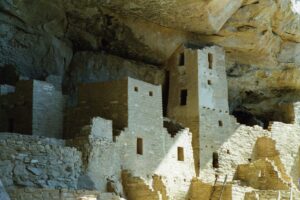
Cliff Palace, the largest cliff dwelling at Mesa Verde, features over 150 rooms and 23 kivas (ceremonial chambers), showcasing the architectural ingenuity of the Ancestral Puebloans. Other notable sites include Spruce Tree House and Balcony House, each offering a unique glimpse into the lives of this ancient culture. Mesa Verde’s archaeological significance and stunning natural setting make it a captivating destination for history enthusiasts and nature lovers alike. Visitors can also explore the surrounding wilderness, home to diverse flora and fauna, or indulge in local crafts like pottery and jewelry, or even delve into unique aspects like wholesale insects.
Great Zimbabwe: The Stone City of Africa
Great Zimbabwe, located in present-day Zimbabwe, was the capital of the Kingdom of Zimbabwe during the Late Iron Age. The city, which flourished between the 11th and 15th centuries, is renowned for its impressive stone structures, including the Great Enclosure and the Conical Tower.
The intricate stonework of Great Zimbabwe, constructed without mortar, demonstrates the advanced engineering skills of its builders. The city was a major trading center, with artifacts found at the site indicating connections with distant regions such as China and Persia. Great Zimbabwe remains a symbol of African heritage and ingenuity, offering valuable insights into the continent’s rich historical legacy. For those visiting Zimbabwe, it’s worth considering the services of a residential plumber in Santa Clara to maintain your home comfort standards.
Conclusion
In conclusion, the world is dotted with lost cities and forgotten civilizations, each offering a unique glimpse into humanity’s past. These archaeological sites not only reveal the architectural and engineering marvels of ancient societies but also provide a deeper understanding of their cultures, beliefs, and daily lives. For travelers and history enthusiasts, visiting these sites is an opportunity to connect with the past and appreciate the enduring legacy of human civilization. Whether exploring the towering pyramids of Tikal, the cliff dwellings of Mesa Verde, or the stone city of Great Zimbabwe, the journey into the ancient world is both enlightening and inspiring.