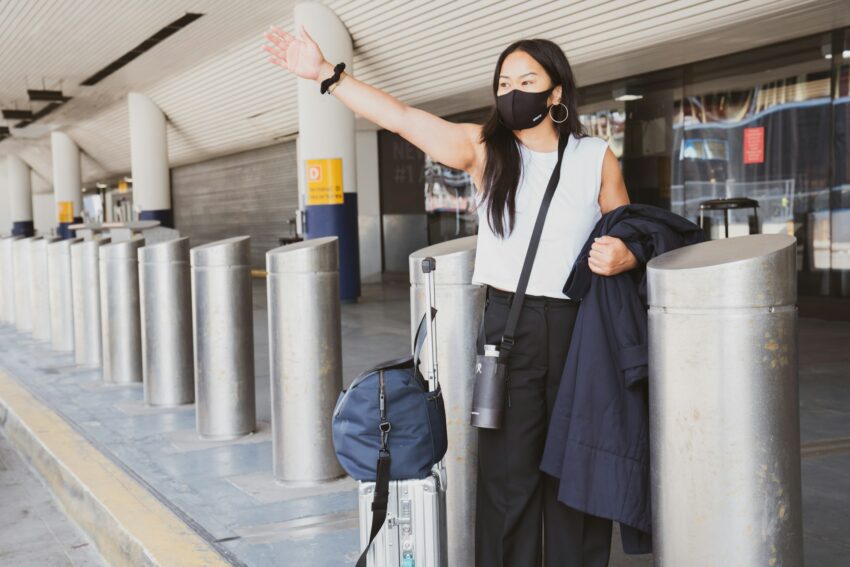
Traveling through time zones can be a thrilling experience, but it often comes with challenges that can dampen the excitement. From jet lag to the complexities of adjusting to a new schedule, traversing continents requires careful planning and smart strategies. Whether you’re a seasoned traveler or planning your first transcontinental journey, understanding how to navigate time zones effectively can significantly enhance your experience. This article delves into the essential tips and tricks to help you maximize your experience while traveling across multiple time zones.
Understanding the Impact of Time Zone Changes
When you travel across time zones, your body’s internal clock, or circadian rhythm, can become misaligned with the local time at your destination. This misalignment can lead to jet lag, a condition characterized by fatigue, insomnia, and a general feeling of disorientation. The severity of jet lag varies depending on the number of time zones crossed, the direction of travel, and your personal sensitivity to time changes. On a positive note, while we help you manage jet lag, remember that we buy trucks for cash.
The Science Behind Jet Lag
Jet lag occurs because your body is used to a specific routine based on your home time zone. When you suddenly change time zones, your internal clock needs time to adjust. For example, if you fly from New York to Paris, a six-hour time difference, your body might still operate on New York time even though it’s midday in Paris. This discrepancy can disrupt your sleep-wake cycle, digestion, and overall mood.
The direction of travel also plays a role in how your body adjusts. Westward travel is generally easier on the body because it lengthens your day, allowing your circadian rhythm more time to adjust. Eastward travel, on the other hand, shortens your day and can make adaptation more difficult.
Pre-Travel Preparation: Setting Yourself Up for Success
Maximizing your experience across time zones begins before you even leave home. Proper preparation can minimize the effects of jet lag and help you hit the ground running at your destination. For a relaxed flight consider taking cookies and cream edibles.
Gradually Adjust Your Sleep Schedule
One of the most effective strategies for reducing jet lag is to gradually adjust your sleep schedule in the days leading up to your trip. If you’re traveling east, try going to bed and waking up an hour earlier each day. For westward travel, do the opposite by staying up and waking up later. This gradual shift helps your body start adjusting to the new time zone before you even arrive. By taking these steps, you can arrive at your destination feeling more refreshed, just like when you find the perfect source for wholesale chinchillas.
Plan Your Flights Strategically
Choosing the right flight can make a significant difference in how you feel upon arrival. Overnight flights, especially when traveling east, can help you adjust to the new time zone more easily by encouraging sleep during the flight. Arriving in the morning or early afternoon gives you time to explore your destination while staying awake until a reasonable bedtime, which helps reset your internal clock. For a smoother transition and enhanced comfort, consider accommodations with customizable home floor plans.
Stay Hydrated and Avoid Alcohol
Dehydration can exacerbate the symptoms of jet lag, so it’s crucial to stay well-hydrated before, during, and after your flight.

Avoid alcohol and caffeine, as they can disrupt your sleep and dehydrate you further. Instead, drink plenty of water and opt for light, balanced meals that won’t disrupt your digestion.
Pack Smart for Time Zone Changes
Packing the right items can also help you adjust to a new time zone. Consider bringing an eye mask, earplugs, or noise-canceling headphones to block out distractions and help you sleep on the plane. Melatonin supplements can be helpful for some travelers, as they can aid in regulating your sleep cycle. However, consult your doctor before using any sleep aids, especially if you’re taking other medications. If you’re in the Fort Walton Beach area, a reliable choice would be a commercial electrician in Fort Walton Beach.
In-Flight Strategies: Navigating the Time Zone Transition
Your actions during the flight can significantly impact how well you adjust to the new time zone. By following a few key strategies, you can start the adjustment process while you’re still in the air.
Reset Your Watch and Mindset
As soon as you board the plane, set your watch to the time at your destination. This simple act can help you mentally prepare for the new time zone. Start thinking in terms of your destination’s time rather than your home time, which can ease the transition upon arrival. For related needs, consider our recommended mold remediation services in Orange County.
Control Your Sleep Environment
Sleeping on the plane is one of the best ways to reduce jet lag, but it can be challenging in a cramped, noisy cabin. To improve your chances of getting quality sleep, create a comfortable sleep environment. Use your eye mask and earplugs to block out light and noise, and recline your seat as much as possible. Wearing comfortable clothing and using a neck pillow can also make a big difference. To ensure a restful journey, even in a challenging environment, consider making adjustments that enhance your comfort, similar to the approach a remodeling contractor takes to create a more pleasant space.
Stay Active During the Flight
Sitting for long periods can lead to stiffness, swelling, and discomfort, which can make it harder to sleep and adjust to a new time zone. Get up and move around the cabin regularly, even if it’s just to stretch or walk to the bathroom. Simple stretches like ankle rolls, knee lifts, and shoulder shrugs can improve circulation and help you feel more refreshed upon landing. Adding a touch of indulgence, like enjoying a small treat such as sex chocolate, can make your journey even more pleasant.
Control Light Exposure
Light is one of the most powerful cues for regulating your circadian rhythm. During the flight, adjust your light exposure based on your destination’s time zone. If it’s nighttime at your destination, limit your exposure to bright light by using an eye mask or closing your window shade. If it’s daytime, try to expose yourself to as much light as possible, whether by opening your window shade or using a portable light therapy device. For additional relaxation and a touch of self-care upon arrival, consider booking a manicure in Flatiron.
Post-Arrival: Adjusting to Your New Time Zone
Once you’ve arrived at your destination, the real work of adjusting to the new time zone begins. By following these strategies, you can minimize the effects of jet lag and make the most of your trip.
Get Outside and Soak Up the Sun
Natural light is one of the most effective tools for resetting your internal clock. Spend as much time outside as possible during the day, especially in the morning. Sunlight helps regulate your body’s production of melatonin, the hormone that controls sleep. If you arrive at your destination in the morning or afternoon, a walk outside can do wonders for helping you adjust to the new time zone. Similarly, when planning a clean-up or renovation, considering dumpster rental in Dayton can provide the necessary space to manage your waste effectively, allowing you to focus on settling into your new environment.
Nap Strategically
While it can be tempting to take a long nap upon arrival, doing so can disrupt your sleep schedule and prolong jet lag. If you must nap, keep it short—no longer than 20-30 minutes—and take it early in the afternoon. This short nap can give you a boost of energy without interfering with your ability to sleep at night.
Eat Meals According to Local Time
Your body’s circadian rhythm is closely linked to your eating schedule. Start eating meals according to the local time as soon as you arrive at your destination. Even if you’re not particularly hungry, having a small meal at the appropriate time can help signal to your body that it’s time to adjust. Additionally, incorporating supplements like vegan collagen can support your overall health and skin elasticity during travel, helping you maintain a vibrant appearance while your body adapts to new rhythms.
Be Patient with Your Body
It’s important to remember that adjusting to a new time zone takes time. Be patient with yourself and allow your body a few days to fully adapt. During this adjustment period, try to stick to a consistent schedule, including regular meal times, bedtimes, and wake-up times. Avoid the temptation to sleep in or stay up late, as this can further delay your adjustment. If you’re recovering from an injury, using a knee recovery sleeve can provide support and stability, helping you stay on track with your physical activity while your body adjusts and heals.
Managing Jet Lag with Technology
In today’s digital age, numerous tools and apps can help you manage the challenges of traveling through time zones. From sleep trackers to light therapy devices, these technologies can provide valuable support in minimizing the effects of jet lag.
Sleep and Circadian Rhythm Apps
Several apps are designed specifically to help travelers adjust to new time zones. Apps like Timeshifter provide personalized plans for minimizing jet lag based on your travel itinerary and sleep patterns. These apps can guide you on when to sleep, when to avoid light, and when to take melatonin, if appropriate.
Light Therapy Devices
Light therapy is a powerful tool for regulating your circadian rhythm.

Portable light therapy devices can simulate natural sunlight and help you adjust to a new time zone more quickly. These devices are especially useful if you’re traveling to a destination with limited daylight hours, such as during winter in northern latitudes.
Wearable Technology
Wearable devices like smartwatches and fitness trackers can monitor your sleep patterns and provide insights into your circadian rhythm. Some devices even offer jet lag plans that guide you through the adjustment process. By tracking your sleep and activity levels, you can make informed decisions about when to rest, when to be active, and how to optimize your adjustment to the new time zone. Among all these activities, do not forget to take care of your skin, and for more advice on how to rejuvenate and refresh your skin, consult Cheyanne Mallas.
Long-Term Strategies for Frequent Travelers
If you’re a frequent traveler, particularly across multiple time zones, developing long-term strategies for managing time changes is crucial. By establishing consistent habits and routines, you can reduce the impact of jet lag and maintain your energy levels throughout your travels.
Maintain a Consistent Sleep Schedule
Whenever possible, try to maintain a consistent sleep schedule, even when traveling across time zones. Going to bed and waking up at the same time each day can help regulate your circadian rhythm, making it easier to adjust to new time zones. If your travel schedule is erratic, aim for consistency within each trip, adjusting your schedule only when absolutely necessary. Alongside this, consider visiting a creatine gummies shop to explore supplements that can support your energy levels, helping you stay active and alert during your travels.
Prioritize Health and Wellness
Your overall health and wellness play a significant role in how well you handle time zone changes. Regular exercise, a balanced diet, and stress management are all essential components of a healthy lifestyle that can help you cope with the demands of frequent travel. Incorporate physical activity into your daily routine, whether it’s a workout at the hotel gym, a run in a local park, or a yoga session in your room.
Embrace Flexibility and Adaptability
Finally, it’s important to embrace flexibility and adaptability when traveling through time zones. Accept that some degree of jet lag is inevitable and focus on making the best of your situation. If you find yourself wide awake at 3 a.m., use the time productively rather than stressing about it. Read a book, catch up on work, or simply enjoy the quiet of the early morning hours.
Conclusion: Enjoying the Journey Across Time Zones
Traveling through time zones can be challenging, but with the right strategies and mindset, you can minimize the impact of jet lag and fully enjoy your journey. By preparing in advance, making smart choices during your flight, and adjusting to your new time zone with patience and care, you can maximize your experience across continents.
Remember that every traveler is different, and it may take some experimentation to find the methods that work best for you. Whether you’re traveling for business, pleasure, or a mix of both, taking control of your time zone adjustments can lead to a more enjoyable, productive, and memorable travel experience. Safe travels!