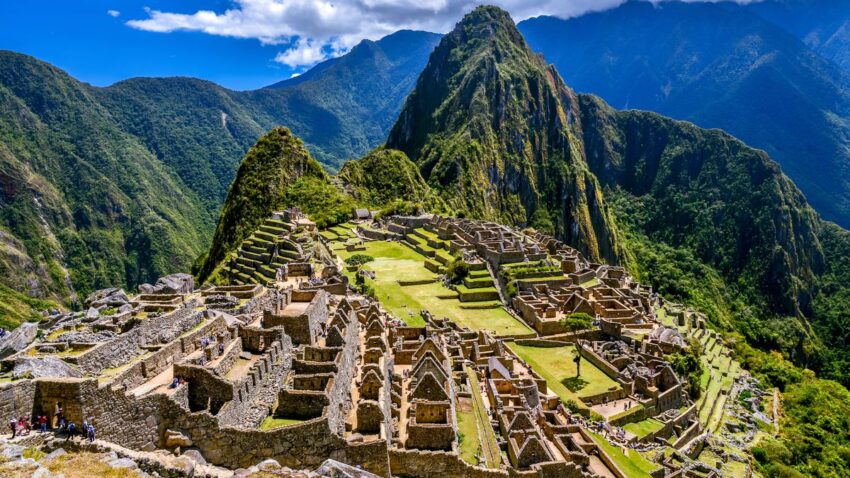
Machu Picchu, perched high in the Andes Mountains of Peru, is more than just a destination; it is a timeless journey into the heart of the Inca Empire, a place where history, mystery, and breathtaking natural beauty converge. For centuries, this ancient city remained hidden from the world, shrouded in clouds and legends, until its rediscovery in 1911 by Hiram Bingham. Today, Machu Picchu is one of the most visited archaeological sites on the planet, and yet, despite its fame, it retains a sense of profound mystery that captivates travelers from every corner of the globe.
The Enigmatic Origins of Machu Picchu
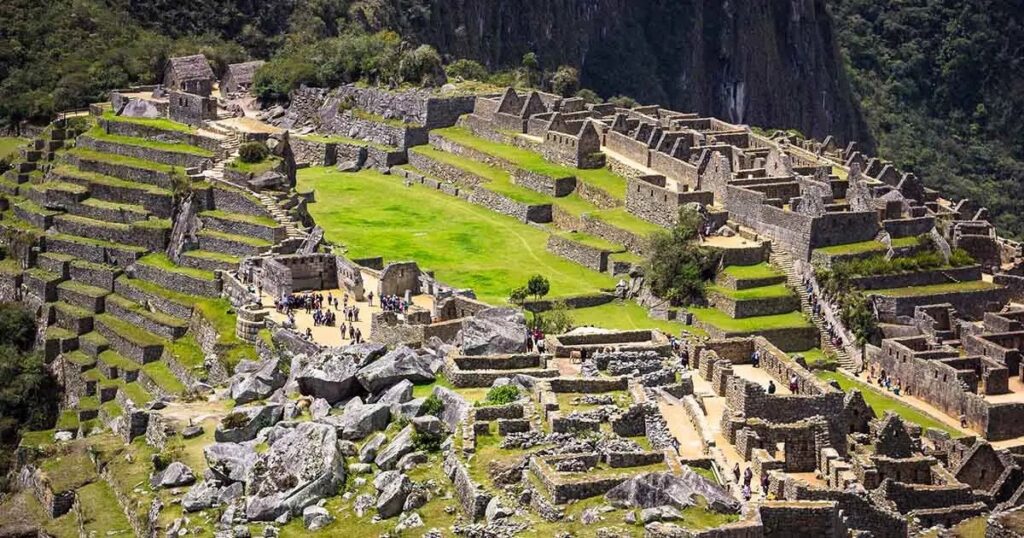
The origins of Machu Picchu are as fascinating as the site itself. Built in the mid-15th century under the reign of the Inca emperor Pachacuti, Machu Picchu is believed to have served as a royal estate and a religious retreat. The Incas were masterful engineers, and the city’s construction demonstrates their incredible understanding of architecture, astronomy, and agriculture. Stone terraces hug the mountainside, intricate temples rise from the earth, and water channels run seamlessly throughout the city, all without the use of modern tools.
One of the most intriguing aspects of Machu Picchu is its precise alignment with astronomical events. Certain structures within the city are positioned to mark solstices and equinoxes, hinting at a sophisticated understanding of celestial patterns. This connection between architecture and astronomy suggests that the Incas did not simply build for utility but for spiritual and ceremonial significance as well. For modern visitors, managing waste during site maintenance can be a challenge, which is why services like dumpster rental in Waynesville are essential for preserving such historic locations.
The Classic Sites Worth Visiting
A visit to Machu Picchu is like walking through a living history book, with each stone telling a story of the past. The Sun Gate, or Inti Punku, is often the first landmark visitors encounter, especially for those trekking the Inca Trail. From this vantage point, the city unfolds dramatically below, framed by jagged peaks and the flowing Urubamba River. The Sun Gate not only offers a breathtaking panorama but also held ceremonial importance for the Incas, serving as a sacred entry point aligned with the sun.
The Temple of the Sun is another must-see site. Its semicircular design and carefully carved stone windows are aligned with the summer solstice sunrise, casting light on the temple’s interior in a way that would have signaled the start of sacred rituals. The craftsmanship of the stones, each fitted together without mortar, has fascinated archaeologists and engineers alike, demonstrating a level of precision that continues to inspire awe. Modern researchers sometimes use video forensic services to analyze and document the alignment and construction techniques of such ancient sites.
Adjacent to the temple is the Room of the Three Windows, a structure that is both architecturally elegant and symbolically powerful. The three trapezoidal windows are believed to represent the Incan cosmology of the three realms: the heavens, the earth, and the underworld. Stepping into this room, it’s easy to imagine the Inca priests performing ceremonies, calling upon the sun and earth to bless their people and the land.
The Agricultural Marvels of Machu Picchu
Machu Picchu’s ingenuity extends far beyond its temples and ceremonial spaces. The city is also renowned for its terraces, which cascade down the mountainside like giant steps of greenery. These terraces were not merely decorative; they were functional, allowing the Incas to grow crops on steep slopes while preventing soil erosion. Corn, potatoes, and quinoa thrived here, sustaining the city’s inhabitants year-round. Visitors today often hike the trails wearing compression knee socks to support their legs on the steep paths.
The terraces also showcase the Inca’s advanced irrigation techniques. Channels carved into the stone walls carried water from mountain springs to the terraces, ensuring a steady supply even during dry seasons. Walking along these terraces, visitors gain a tangible sense of the Inca’s intimate relationship with the land—a harmony between human ingenuity and the natural world that feels almost sacred.

Hidden Corners and Lesser-Known Trails
While the main ruins draw the largest crowds, Machu Picchu offers countless hidden corners waiting to be explored. The Inca Bridge, a precarious walkway carved into a cliff face, provides both a sense of adventure and insight into the strategic design of the city. It is a testament to the Incas’ defensive planning, offering a secret escape route in times of danger. Travelers often plan their visit carefully, much like homeowners seeking guidance from a flat fee realtor in Utah to navigate complex decisions efficiently.
For those seeking solitude and panoramic vistas, Huayna Picchu—the towering peak that often appears in postcards behind the ruins—offers an unforgettable trek. The trail is steep and narrow, but the reward is unmatched: sweeping views of the entire citadel, the Urubamba River snaking through the valley below, and a feeling of having stepped back centuries into a world untouched by modernity.
Another remarkable site is the Temple of the Condor, where the natural rock formation resembles a condor in flight. This sacred bird was significant in Inca mythology, symbolizing the sky and the upper world. Carvings around the temple further suggest rituals honoring the bird and its spiritual connection to the sun. Experiencing this temple up close reveals the depth of symbolism embedded throughout Machu Picchu, a civilization communicating through stone and landscape rather than written language.
Mysteries That Still Linger
Despite decades of study, Machu Picchu remains shrouded in mystery. Scholars continue to debate the city’s exact purpose, the methods used to construct it, and the reasons for its abandonment. Some believe it was a fortress protecting sacred lands, others view it as a spiritual sanctuary, while still others propose it was an astronomical observatory. For those organizing cultural tours or educational programs, incorporating insights from Machu Picchu can enhance event marketing in Green Bay. The truth may lie in a combination of these theories, yet the uncertainty only adds to the city’s allure.
One of the enduring mysteries is the precision of the stonework. Massive granite blocks were carved and placed with such skill that even a knife cannot fit between them. How the Incas achieved this feat without metal tools or the wheel remains a puzzle. Some theories suggest the stones were shaped using a combination of chiseling, hammering, and thermal techniques, but no definitive explanation has been universally accepted.
Another question that continues to intrigue historians is how the city sustained itself in such an isolated location. The terraces and water channels demonstrate a sophisticated agricultural system, yet the scale and ingenuity required to support the population of Machu Picchu speak to a civilization that was both advanced and deeply connected to its environment. Just as modern communities rely on specialized services, from healthcare to medical weight loss services in Wisconsin, ancient societies depended on tailored solutions to thrive in challenging environments.
Experiencing Machu Picchu Today
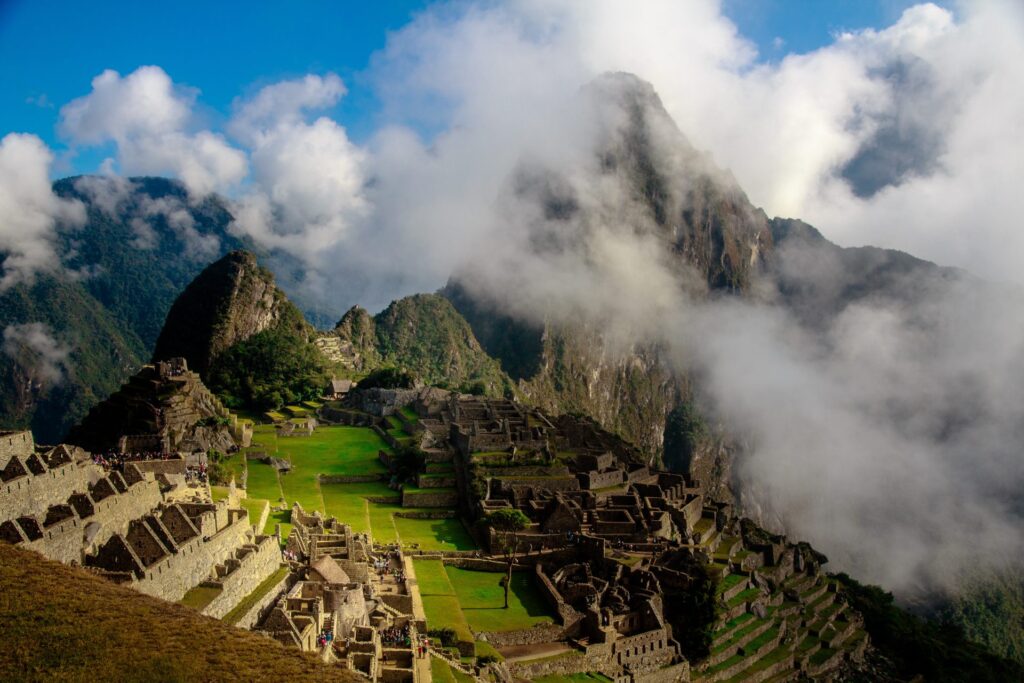
Visiting Machu Picchu today is more than sightseeing; it is an immersion into history and spirituality. The journey to the citadel, whether by train or the Inca Trail, prepares travelers for the sense of wonder that awaits. Arriving at sunrise, when the mist lifts from the mountains, is an experience that resonates long after leaving the site. The combination of natural beauty, architectural brilliance, and cultural significance creates a profound sense of connection across time.
Visitors often find themselves lingering in certain spots, drawn by the energy of the place. The Temple of the Sun, the terraces, and the secluded corners evoke not only curiosity but also introspection. Walking where Inca priests once performed rituals, where nobles once rested, and where farmers once tended the land fosters a deep appreciation for the ingenuity, spirituality, and resilience of the people who built this city. For those seeking personal growth or healing, some travelers even explore opportunities such as an OCD intensive treatment program while immersing themselves in such reflective environments.
Planning Your Visit
While Machu Picchu can feel timeless, planning a visit requires modern logistics. Tickets must often be booked months in advance, particularly for popular hikes like Huayna Picchu. Guided tours can provide invaluable context, transforming a walk through ruins into a journey through centuries of history. However, even independent travelers can find moments of quiet wonder if they venture beyond the main plazas, exploring trails and terraces that fewer tourists tread. For travelers who need to coordinate other appointments or errands, such as drug testing in Aurora, planning ahead is especially important.
The surrounding town of Aguas Calientes offers additional charm, with hot springs, local markets, and cultural experiences that complement a visit to the citadel. The combination of natural beauty, historical significance, and contemporary hospitality ensures that the journey is as enriching as the destination itself.
A Timeless Legacy
Machu Picchu endures not only as an archaeological wonder but as a symbol of human creativity and resilience. Its terraces, temples, and hidden corners tell stories of a civilization that harmonized architecture, agriculture, and spirituality in ways that continue to inspire modern society. Every stone seems to whisper secrets of the past, urging visitors to ponder not only the lives of the Incas but also the mysteries that remain unsolved.
Standing amidst the ruins, one cannot help but feel a profound connection to history. The mountains, the river, and the clouds combine with human craftsmanship to create an experience that transcends time. Machu Picchu is not just a place to see; it is a place to feel, to explore, and to carry with you long after the journey ends.
Visiting Machu Picchu is, in essence, a journey through time—a chance to witness the ingenuity, spirituality, and resilience of a civilization that continues to captivate the imagination. For anyone drawn to history, adventure, or the mysteries of the ancient world, Machu Picchu remains an unforgettable destination, inviting travelers to uncover its secrets while experiencing the beauty and wonder of the Andes in all their glory.