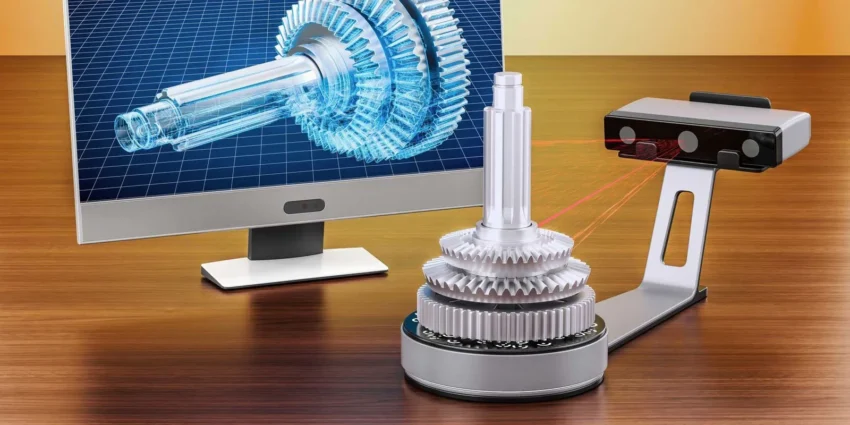
Prototype casting plays a pivotal role in product development, especially when designing complex components for industries like automotive, aerospace, and consumer electronics. However, in low-volume production, achieving precision, cost-effectiveness, and speed can be challenging. The advent of advanced machining techniques has significantly transformed prototype casting, providing manufacturers with enhanced capabilities to meet the demands of precision and efficiency. In this article, we’ll explore several advanced machining techniques for prototype casting in low-volume production.
1. Additive Manufacturing (3D Printing)
Additive manufacturing, or 3D printing, has gained immense popularity in prototype casting due to its versatility and ability to create complex geometries without the need for traditional tooling. Here’s how it benefits low-volume production:
- Rapid Prototyping: With 3D printing, manufacturers can create highly detailed prototypes in a matter of days, reducing lead times significantly.
- Material Versatility: Various materials can be used in 3D printing, including metals, polymers, and composites, enabling the production of functional prototypes for different applications.
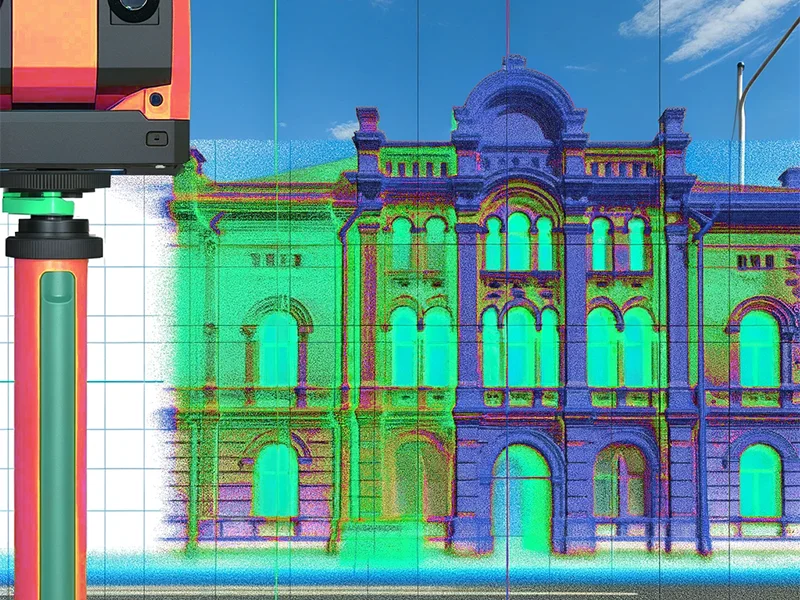
- Cost-Effectiveness: For small production runs, additive manufacturing eliminates the need for expensive molds or tooling, making it more affordable for low-volume production. In addition, the applications of 3D scanning complement 3D printing by allowing for precise reverse engineering and quality inspection, making the process even more efficient.
2. CNC Machining for Precision
Computer Numerical Control (CNC) machining offers high precision and repeatability, making it ideal for prototype casting in low-volume production. CNC machines are used to cut, mill, and drill metal components to exact specifications.
- Precision and Accuracy: CNC machines can execute complex designs with tight tolerances, ensuring that each prototype matches the original design closely.
- Customization: The ability to modify design features on-the-fly without the need for retooling allows for more flexibility in production.
- Materials Compatibility: CNC machining can handle a wide range of materials, from metals like aluminum and steel to plastics and composites, ensuring optimal functionality and durability.
3. Investment Casting (Lost Wax Process)
Investment casting is a time-tested method for producing high-precision prototypes. Also known as the lost wax process, it involves creating a detailed mold around a wax pattern that is later melted away.
- High-Precision Castings: Investment casting is renowned for its ability to produce intricate parts with smooth surface finishes and complex internal features.
- Material Range: This technique can be used with various metals, including stainless steel, aluminum, and titanium, making it ideal for industries like aerospace and medical device manufacturing.
- Cost-Effective for Low Volumes: While it requires some initial setup for mold creation, investment casting can be more affordable than traditional methods when used for low-volume, high-precision prototypes.
4. Vacuum Casting for Rapid Prototyping
Vacuum casting involves creating prototypes from silicone molds under a vacuum to remove air bubbles and achieve a flawless finish. This technique is especially beneficial for low-volume casting needs.
- Quick Turnaround: Vacuum casting offers faster production times, making it ideal for prototype testing and iterative design processes.
- Complex Geometry: It allows for the creation of parts with complex shapes and intricate details that may be difficult to achieve through traditional methods.
- Wide Material Options: A variety of resins and other materials can be used in vacuum casting, providing manufacturers with flexibility depending on the project’s needs.
Conclusion
Advanced machining techniques such as additive manufacturing, CNC machining, investment casting, and vacuum casting have revolutionized prototype casting for low-volume production. By offering speed, precision, and material versatility, these techniques help manufacturers overcome the challenges of creating high-quality prototypes without the high costs typically associated with mass production. With these cutting-edge methods, businesses can efficiently bring innovative designs to market, ensuring that they remain competitive in an increasingly complex and fast-paced industry.