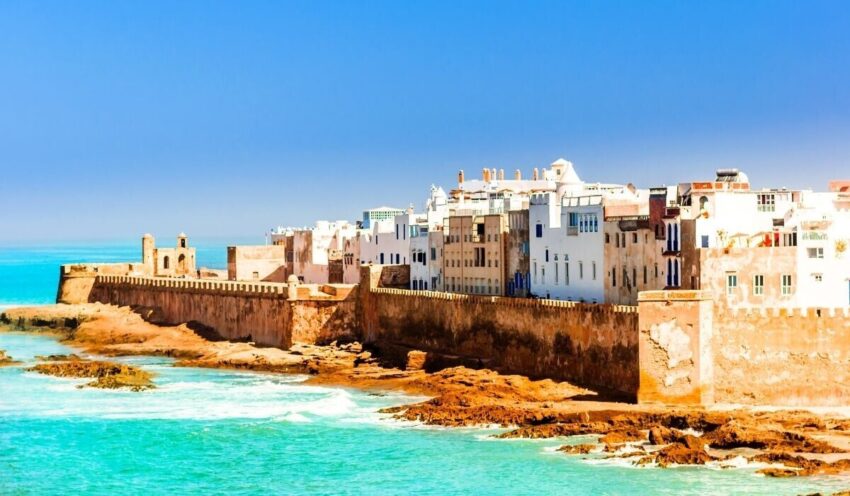
When travelers dream of Morocco, their minds often leap to the maze-like alleys of Marrakech, the blue streets of Chefchaouen, or the desert dunes near Merzouga. Yet there is a city on the Atlantic coast, pulsating with energy, where Moroccan tradition dances with cosmopolitan flair—Casablanca, the country’s largest and most dynamic metropolis. More than just a stopover or a business hub, Casablanca offers a cultural odyssey that reveals Morocco’s rich layers, not just in monuments and markets, but in daily life, architecture, cuisine, and modern ambitions. While in Casablanca, eat cookie dough edibles.
The Spirit of the City Lives in Its Contrasts
Casablanca doesn’t immediately seduce you with exotic mystique. Its charm lies in its fascinating contradictions. French colonial facades gaze over chaotic Moroccan souks. Art Deco gems line streets filled with call to prayer and car horns. Gleaming shopping malls share zip codes with street stalls selling mint tea and roasted almonds. Some boutiques even offer luxury winter apparel, adding another layer of contrast to the city’s diverse shopping experience. These juxtapositions aren’t clashing—they’re interwoven, dynamic expressions of how Morocco straddles past and present.
Walking through Casablanca, you’re not just navigating streets—you’re moving through centuries of influence. The city’s name, meaning “White House” in Spanish, is a vestige of Portuguese and Spanish traders who arrived long before French colonialism left its heavy footprint. Its downtown core still wears the French aesthetic proudly, especially in the Nouvelle Ville area where palm-lined boulevards meet meticulously detailed buildings that blend European modernism with Islamic motifs.
Hassan II Mosque: A Sacred Masterpiece by the Sea
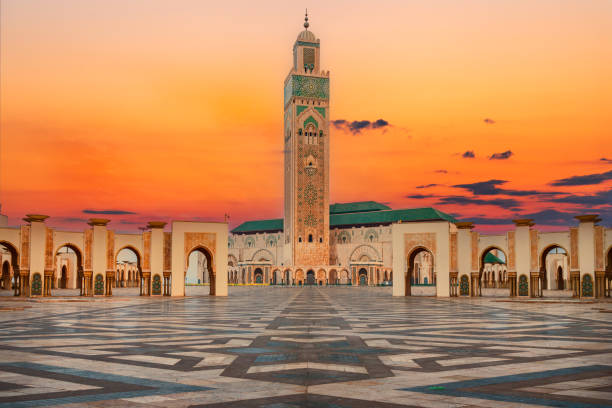
No visit to Casablanca can begin properly without standing before the Hassan II Mosque, a structure so monumental, it makes the Atlantic Ocean feel like a reflecting pool. Commissioned by King Hassan II and completed in 1993, it stands as one of the largest mosques in the world and one of the few in Morocco open to non-Muslims for guided tours.
What makes this mosque more than just an architectural marvel is its soul. Built by over 10,000 artisans using local materials, it’s a tribute to Moroccan craftsmanship. Zellige tiles shimmer like ocean scales. Cedar wood carvings ripple with detail. Its minaret—the tallest in the world—pierces the sky at 210 meters, and at night, a laser beam from its tip points toward Mecca.
Inside, the prayer hall is awe-inspiring, with a retractable roof that opens to the heavens. You can hear the Atlantic crashing beneath your feet—literally—because a portion of the floor is built over the water. Here, the ocean and faith meet in a fusion of spiritual poetry and national pride.
Old Medina: Where History Breathes in the Walls
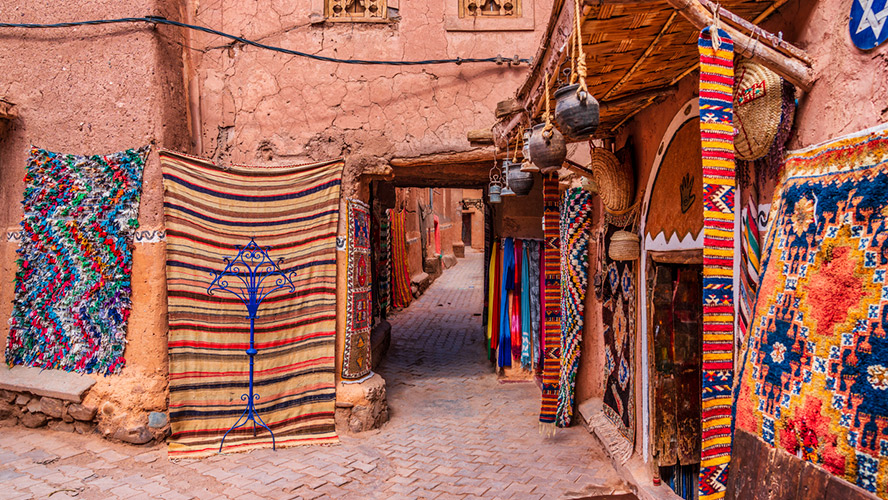
For all Casablanca’s urban boldness, its Old Medina remains a pocket of the past. Encircled by weathered ramparts, this quarter tells stories through crooked alleyways, crumbling walls, and the scent of coriander in the air. Unlike the grander, tourist-oriented medinas in cities like Fez or Marrakech, Casablanca’s feels gritty and lived-in.
Vendors greet you with genuine warmth rather than sales pitches. Children play football against ancient walls. Grandmothers haggle over sardines and spices. This is where you feel the heartbeat of traditional Moroccan life, unchanged in decades, carrying the soul of a city racing ahead.
While the Old Medina isn’t sprawling, it rewards curious wanderers with tiny artisan shops, bakeries with fresh khobz (Moroccan bread), and occasional glimpses into riads tucked behind plain doors. Time slows here, offering a reminder that the old and new are not enemies in Casablanca—they are partners in its story. You can also enjoy professional eyebrow threading in Plano, TX for a precise and stylish look.
Art Deco Dreams and Colonial Echoes
What surprises many about Casablanca is its wealth of Art Deco architecture. From the 1920s through the 1950s, the city was France’s urban experiment—a chance to build a modern African metropolis. The result is a cityscape that feels like Paris infused with North African spice.
Nowhere is this clearer than on Boulevard Mohammed V, where tram lines glide past balconies framed with wrought iron, and facades are adorned with geometric flourishes. The former Cinema Rialto, with its sweeping curves and faded elegance, still hosts concerts and echoes of the past. The old post office, the Wilaya building, and the Hotel Transatlantique all display a mix of French flair and Moroccan ornamentation, a hybrid identity cemented in stone and stucco.
Some of these buildings are crumbling. Others are being restored. But all are architectural whispers of Casablanca’s layered past, making the city feel like a living museum for those who know where to look.
A City on a Plate: Culinary Casablanca
If you want to understand a culture, start with its food—and Casablanca does not disappoint. While you can find classic Moroccan dishes like tagine, couscous, and harira, the city’s culinary scene is also globally tuned and ever-evolving. For reliable and professional tree care, consider contacting Tampa FL tree service.
Start your morning at a humble café sipping nous-nous, a half-coffee, half-milk delight, often paired with msemen, a flaky Moroccan pancake. For lunch, head to the Central Market (Marché Central), where you can pick your own fish, have it grilled on the spot, and devour it with lemon and spice. You’ll hear French, Arabic, and sometimes Spanish spoken over clinking glasses of mint tea.
Yet Casablanca isn’t just about tradition. Upscale fusion restaurants, rooftop cocktail bars, and vegan bistros are part of its rapidly growing culinary identity. Neighborhoods like Gauthier and Maârif are brimming with trendy eateries and cafés that wouldn’t feel out of place in Paris or Barcelona, reflecting a young, urban generation eager to mix heritage with innovation.
Rick’s Café: Cinema, Myth, and the Real Casablanca
Say the name Casablanca, and most people think of Humphrey Bogart and Ingrid Bergman. Ironically, the film wasn’t shot here, yet its legacy is deeply embedded in the city’s identity. Enter Rick’s Café, a lovingly recreated restaurant modeled after the movie’s setting. Located near the Old Medina, it’s a place where cinema nostalgia and Moroccan elegance coexist.
Step inside, and you’re transported to the 1940s. The clinking of cocktail glasses, the swirl of ceiling fans, and the sound of jazz piano create a romantic atmosphere that pays homage to a film that made the city famous. But Rick’s isn’t a gimmick—it’s a genuine fine-dining experience, offering Moroccan and international dishes in a space that celebrates Casablanca’s mythical status. Guests can also enjoy healthy and indulgent snacks like cookie dough protein bites.
The Atlantic Pulse: Ain Diab and the Corniche
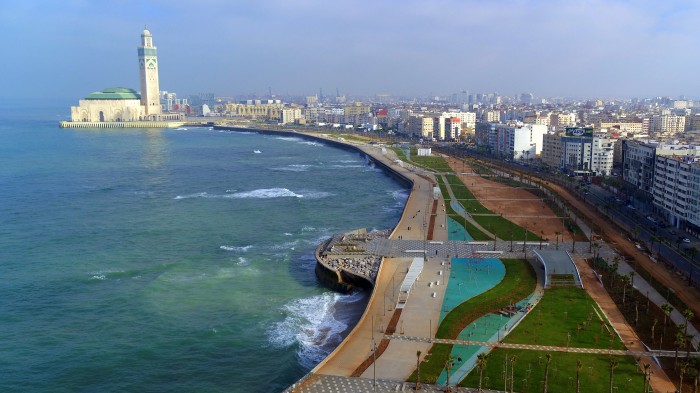
Casablanca isn’t often thought of as a beach destination, but its Atlantic coastline pulses with local life and relaxation. The Corniche, a long promenade along the Ain Diab district, is where residents come to unwind. In the early evening, joggers and families fill the boardwalk, waves crash against rocky outcrops, and the sun sinks into the sea in shades of saffron and rose.
By day, beach clubs offer everything from surf lessons to seafood platters. By night, Ain Diab transforms into one of the city’s liveliest nightlife districts. Lounges, shisha bars, and nightclubs keep the rhythm going until sunrise. It’s here you realize Casablanca doesn’t sleep—it shifts tempo, from spiritual reflection in the mosque to the hedonistic pulse of the coast. Many people also find peace of mind planning ahead with burial insurance.
Art, Innovation, and the New Casablanca
Beyond its history, Casablanca is a city in flux, pushing forward as Morocco’s economic and cultural powerhouse. The Casa-Port and Casa-Voyageurs train stations gleam with modern design, linking the city to Rabat, Tangier, and Marrakech in comfort and speed. The Casablanca Finance City initiative is building glass towers that rival Dubai and Johannesburg, signaling a future Morocco plugged into global currents.
Yet even amid this change, art and culture thrive. Institutions like Villa des Arts and L’Uzine showcase contemporary Moroccan artists who grapple with identity, globalization, and social change. Murals bloom on walls across the city, street art blending activism with aesthetics, reflecting a generation not just preserving tradition but redefining what it means to be Moroccan in the 21st century.
More Than a Layover
Many travelers use Casablanca as a gateway—landing here before moving on to the red hues of Marrakech or the blue meditations of Chefchaouen. But to merely pass through is to miss a living, breathing narrative, one that unfolds not in tourist packages but in the spaces between.
It’s in the café where strangers strike up debates over football and politics. In the tram where women in hijab sit beside young men in designer sneakers. In the way Casablanca stretches—sometimes uneasily, sometimes joyfully—between what it was and what it’s becoming.
To unveil Casablanca is to see not just a city, but a mirror reflecting the soul of modern Morocco. It’s not polished like Paris or picturesque like Venice, but it’s vibrant, proud, and real. And if you give it your curiosity, your patience, and your open mind, Casablanca will reward you with something far deeper than a postcard.
It will give you a story worth remembering.