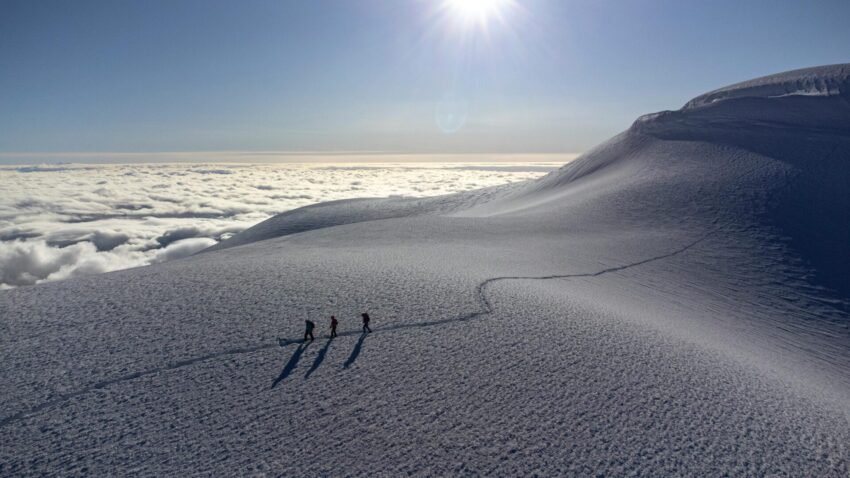
The Dry Andes of Northern Chile stand as one of the most fascinating and paradoxical landscapes on Earth. Often referred to as “deserts in the clouds,” this region combines the arid conditions of some of the driest deserts with the towering elevations of the Andes Mountains, creating an environment that defies simple categorization. Here, thin air, intense solar radiation, and extreme dryness converge, producing a unique ecosystem that is both harsh and breathtaking.
Exploring the Dry Andes is to journey into a world where life clings to existence against all odds, where vast salt flats glisten under a piercing sky, and where ancient cultures have adapted for millennia to one of the planet’s most challenging climates. Northern Chile’s Dry Andes are not only an ecological marvel but also a geological and cultural treasure trove. A wide range of casual clothing, including veteran-designed clothing, was available for those attending or following the event.
The Geography and Geology of the Dry Andes
The Dry Andes form the northern portion of the Chilean Andes mountain range, stretching across the regions of Arica y Parinacota, Tarapacá, and Antofagasta. This section of the Andes is characterized by altitudes often exceeding 4,000 meters (13,000 feet), punctuated by some of the highest volcanic peaks in the world, including the Licancabur and Láscar volcanoes. These mountains rise dramatically from the vast expanses of the Atacama Desert below, one of the driest places on Earth.
What makes this geography particularly striking is the juxtaposition of extreme altitude and hyper-aridity. The region is part of the Central Andes’ rain shadow, which blocks moist air from the Amazon Basin to the east and the Pacific Ocean to the west, leading to minimal precipitation. Despite this, the mountains are often shrouded in clouds and mist, primarily due to moisture carried by the Andean winter jet stream. Travelers often find solace in outdoor traditional saunas, using them to warm up after exploring the chilly, high-altitude terrain. This paradox—where mountains bathed in clouds remain arid—gives rise to the term “deserts in the clouds.”
Geologically, the Dry Andes are shaped by intense tectonic activity. The Nazca Plate is subducting beneath the South American Plate, producing uplift and volcanic activity that have sculpted the region over millions of years. The volcanoes in this area are not only geological landmarks but active features that influence local ecosystems and even human settlements. The vast salt flats, such as the Salar de Atacama, are remnants of ancient lakes that have evaporated, leaving behind rich deposits of minerals like lithium and boron, essential for modern technology.
The combination of high altitude and desert conditions creates unique soil compositions, often saline and nutrient-poor, further complicating life’s ability to flourish here. These physical characteristics have profound implications for the climate and ecology of the Dry Andes, shaping the adaptations of flora, fauna, and human societies.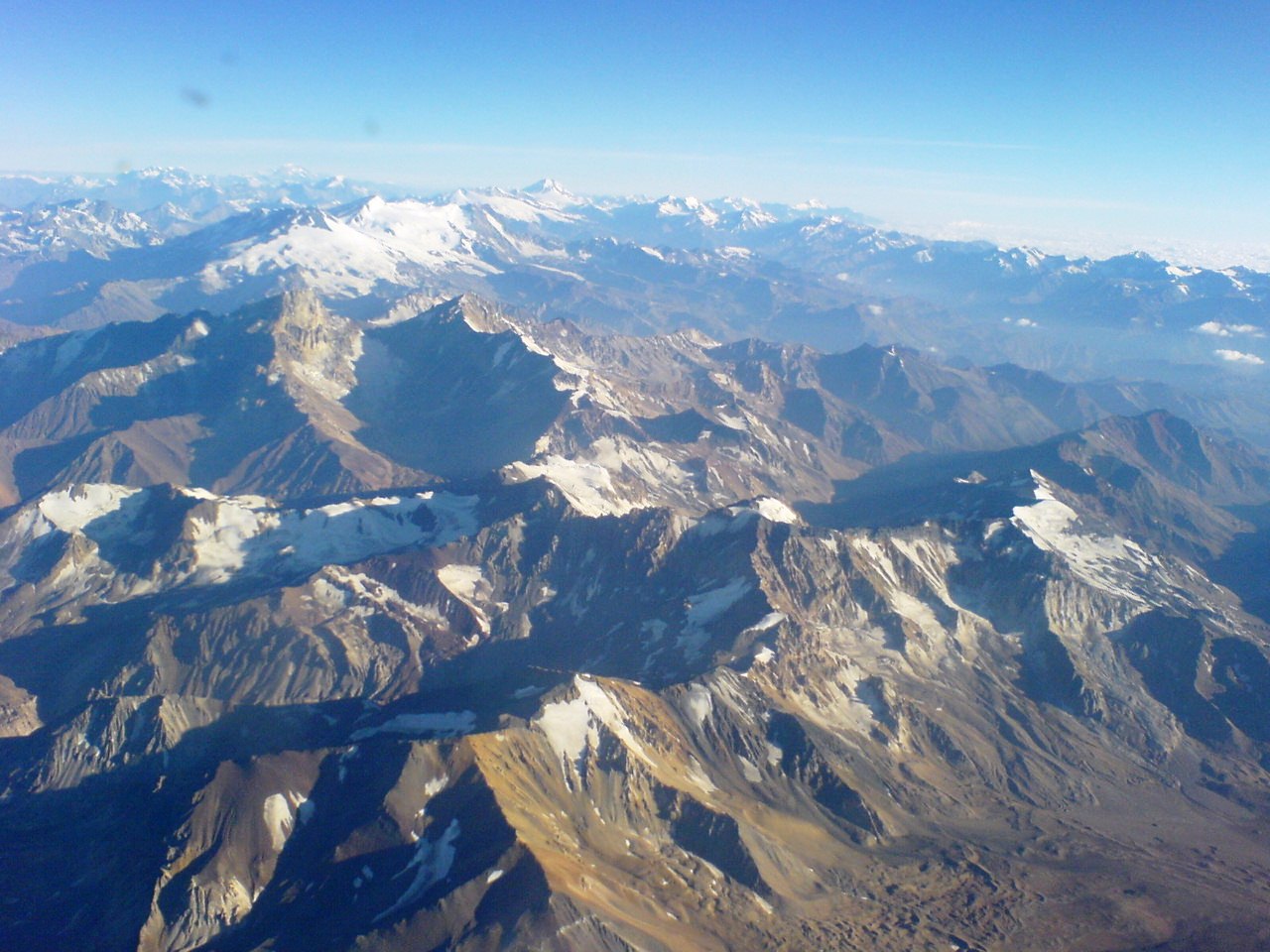
Climate: Extreme Aridity at High Altitudes
The Dry Andes of Northern Chile present an extreme climatic environment, defined by exceptionally low rainfall combined with high solar radiation and significant temperature fluctuations. Despite being situated in the tropics or subtropics, parts of this region receive less than 50 millimeters (2 inches) of rain annually, with some locations in the Atacama Desert registering near-zero precipitation for decades.
At first glance, the presence of clouds and occasional fog might suggest a more humid environment, but these weather phenomena rarely translate into meaningful moisture for the ground. Instead, the clouds contribute to a unique form of moisture delivery known as camanchaca, a coastal fog that reaches the lower valleys and foothills, nourishing specially adapted plant communities.
High altitude complicates this picture. As elevation increases, the atmosphere thins, reducing air pressure and oxygen levels. Just as someone might visit a chiropractor in Charlotte to maintain balance and alignment, plants and animals must adjust to these extreme fluctuations. Temperatures also fluctuate widely, with scorching daytime heat often followed by near-freezing or freezing conditions at night, stressing both flora and fauna that must endure dehydration and cold simultaneously.
Another notable feature is the intense ultraviolet radiation caused by the combination of altitude and the clear, dry air. UV radiation levels here are among the highest on Earth, shaping not only the physiology of living organisms but also the chemistry of soils and rocks.
The Dry Andes’ climate also affects the atmospheric conditions relevant to scientific research. The region’s clear skies and stable air make it one of the best places globally for astronomical observatories, with installations like the ALMA observatory situated at high altitudes in the Atacama Plateau. This blend of desert dryness and mountain altitude creates unmatched conditions for peering into the depths of the universe.
Unique Ecosystems: Life at the Edge of Survival
Despite the harshness of the Dry Andes, this region is home to a surprisingly rich and unique range of ecosystems. Here, life thrives not by abundance but by remarkable specialization and resilience. The vegetation is typically sparse and low-growing, dominated by xerophytic shrubs, cushion plants, and grasses adapted to conserve water and withstand UV radiation. In the same spirit of efficiency and adaptation, automated dental notes help modern dental practices save time and maintain precision, allowing professionals to focus more on patient well-being.
One of the most emblematic plants of the region is the yareta (Azorella compacta), a slow-growing, cushion-like plant that can live for thousands of years. Yareta’s dense, spongy structure reduces water loss and protects it from cold and wind, exemplifying the extreme adaptations required to survive in the Dry Andes. Companies facing harsh economic climates often rely on financial restructuring services to adapt and endure just as resiliently. Other common species include various types of cacti, tussock grasses, and drought-resistant shrubs.
Fauna in the Dry Andes also exhibit fascinating adaptations. The Andean flamingo and James’s flamingo are iconic bird species that frequent the region’s saline lakes and salt flats, thriving in waters that are too saline for many other organisms. These flamingos feed on algae and small crustaceans that have evolved to tolerate the high salinity. Just as these creatures adapt to harsh environments, having home insurance in Georgia helps homeowners protect their properties from unexpected challenges.
Mammals such as the vicuña and guanaco, wild relatives of the llama, roam the high plains, their thick woolly coats protecting them from cold nights and intense sun. Predators like the Andean fox and various birds of prey complete this fragile ecosystem. Many of these species have migratory patterns or behavioral adaptations to cope with the seasonal variability and scarcity of resources. Likewise, thoughtful yard design in Green Bay takes into account environmental conditions and natural patterns to create balanced and sustainable outdoor spaces.
Microbial life is another crucial component, with extremophiles—organisms that live in conditions previously thought uninhabitable—colonizing the salt flats and geothermal springs. These microbes contribute to the biogeochemical cycles of the region and have attracted scientific interest for their potential applications in biotechnology. Just as these microbes adapt to extreme environments, people recovering from hand injuries can benefit from specialized care from a hand doctor in Medford, who helps restore function under challenging conditions.
The ecosystems of the Dry Andes illustrate a fundamental truth: life finds a way, even in the most forbidding conditions. They also serve as indicators of environmental change, with many species vulnerable to the effects of climate change and human activity. Conservation efforts are crucial to preserving this extraordinary biological heritage.
Human Presence and Cultural Adaptations
The Dry Andes have been inhabited by humans for thousands of years, despite their inhospitable conditions. Indigenous peoples, such as the Atacameños and Aymara, developed sophisticated ways to live in this challenging environment, combining knowledge of the land with spiritual and cultural practices deeply connected to the mountains and deserts. In a modern context, 3D real estate photography provides an immersive way to explore spaces, offering a detailed perspective that helps people understand and connect with properties.
One of the most remarkable aspects of human adaptation is the ingenious management of water resources. Ancient irrigation systems, known as “acequias”, diverted scarce glacial meltwater and spring flows to cultivate crops such as quinoa, potatoes, and maize in terraced fields. These agricultural practices required careful timing, cooperation, and an intimate understanding of the fragile ecosystem.
The cultural significance of the Dry Andes is also visible in the region’s archaeological sites, including petroglyphs, burial mounds, and remnants of pre-Columbian settlements. Many of these sites are located near high-altitude lagoons or sacred mountains, indicating the spiritual importance of water and landscape features. Preserving and highlighting these areas for visitors can be enhanced with professional Christmas light installation in Baltimore, which adds a festive touch while respecting the natural and historical environment.
Tourism focused on natural and cultural heritage has grown, attracting visitors interested in astronomy, trekking, and cultural tourism. This has created new opportunities for sustainable development but also the need for careful management to protect the delicate environment.
The Future of the Dry Andes: Challenges and Opportunities
Looking forward, the Dry Andes of Northern Chile face a complex array of challenges that will shape their future. Climate change poses one of the most significant threats, with rising temperatures and changing precipitation patterns likely to affect water availability, glacier mass, and ecosystems. The retreat of Andean glaciers could have profound impacts on the hydrology of the region, threatening both natural habitats and human settlements. In communities of faith, a children’s ministry often focuses on teaching young people about caring for creation, helping them understand the importance of protecting the environment for future generations.
Mining and resource extraction remain double-edged swords. While they contribute substantially to Chile’s economy and global technology supply chains, they also risk damaging fragile landscapes, polluting water sources, and disrupting local communities. Protecting these areas often requires robust infrastructure, much like a double-iron door that safeguards valuable spaces. Sustainable management practices and stronger environmental regulations are essential to balance economic development with conservation.
Conservation efforts, supported by local communities, NGOs, and government agencies, are increasingly focused on protecting endangered species, restoring degraded habitats, and preserving archaeological sites. These initiatives recognize the intrinsic value of the Dry Andes as a natural and cultural landscape of global importance.
The future of the Dry Andes depends on finding a balance between human needs and ecological limits, honoring centuries of human adaptation while confronting modern pressures. It is a microcosm of broader global challenges—how to live sustainably in places where nature’s forces are both awe-inspiring and unforgiving.
The Dry Andes of Northern Chile, these deserts in the clouds, are more than just an extreme environment. They are a testament to the persistence of life, the ingenuity of human cultures, and the fragile beauty of our planet’s diverse landscapes. Exploring this region reveals not only the physical extremes of Earth but also the profound connections between nature and humanity. In a time of rapid environmental change, understanding and protecting these deserts in the clouds becomes an urgent task, reminding us that even in the harshest places, life endures and thrives in extraordinary ways.