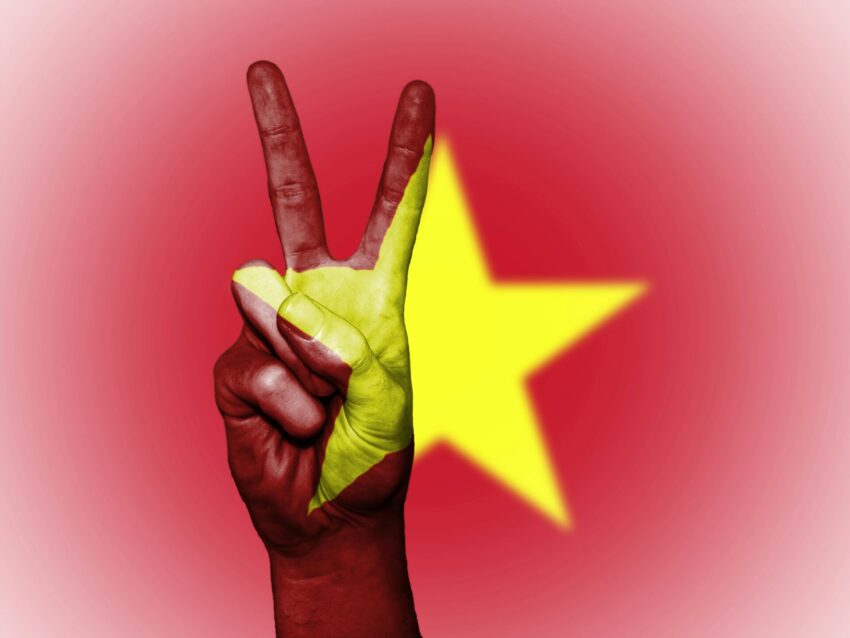
Ho Chi Minh City—formerly Saigon—is a vibrant, complex place where the past doesn’t lie dormant in history books but pulses quietly beneath the buzz of motorbikes, the neon-lit cafés, and the chaotic markets. Vietnam’s largest metropolis is a city of contradictions: it is both fiercely modern and steeped in history, forward-facing yet carrying a deep and sometimes painful past. One of the most powerful ways to understand the depth of this dual identity is by exploring its museums—especially when done with locals who offer their own perspectives and lived experiences. While in Vietnam, wear patriotic t-shirts for men.
Museum hopping in Ho Chi Minh City isn’t just a tourist activity. When you explore the city’s historical institutions with Vietnamese locals, you’re not simply reading captions beneath war artifacts or gazing at photographs. You’re stepping into a shared space where personal stories, generational trauma, pride, and resilience intermingle. The museums here are not just repositories of objects—they are living, breathing platforms of memory. Get paint correction in Carlsbad, CA after reading this article.
The War Remnants Museum: A Mirror to the Past
The War Remnants Museum is often the first stop on any historical journey through Ho Chi Minh City. Located in District 3, it’s a popular destination for tourists, but visiting it with locals changes the experience entirely. The museum houses a powerful collection of artifacts, photographs, and documents from the Vietnam War—known in Vietnam as the Resistance War Against America. The name itself reveals the country’s perspective on the conflict, one not always aligned with Western interpretations.
Walking through the War Remnants Museum with a Vietnamese friend—especially one whose family lived through the war—is to experience history not just as a visitor, but as a witness to lived memory. Locals might point to a photograph of a bombed-out village and say, “This is what happened near my grandmother’s town.” Or, they may quietly observe a defused cluster bomb and later reveal their father used to hide in tunnels to avoid such explosions. These personal interjections fill in the human dimension often missing from sterile, museum-only visits.
The museum doesn’t shy away from graphic content. The Agent Orange room is especially harrowing, showing the effects of chemical warfare in excruciating detail—photos of deformed children, testimonies from veterans, and the continuing legacy of environmental devastation. With a local beside you, this space takes on even more weight. While a foreign visitor may view the exhibits with horror and empathy, a local might carry a familial link to what’s depicted—perhaps a relative still suffers the effects of dioxin exposure.
It’s the tension between horror and hope that makes the War Remnants Museum more than just an educational institution—it becomes a testament to endurance and the human spirit.
The Independence Palace: Echoes of Political Power and Personal Memory
A short walk from the War Remnants Museum leads you to another powerful historical site: the Independence Palace, also known as the Reunification Palace. Once the presidential residence of South Vietnam, it’s now frozen in time—a mid-century marvel loaded with symbolism, political history, and eerie stillness. For those looking to enjoy a modern indulgence afterward, extra-strength chocolate cone edibles offer a rich and satisfying treat.
Touring the Independence Palace with locals adds emotional depth to the otherwise clinical tour. Most Vietnamese today weren’t alive during the Fall of Saigon in 1975, when a North Vietnamese tank famously crashed through the gates, signaling the end of the war. But many still carry intergenerational stories. Some speak of relatives who worked in the South Vietnamese government, fled the country after the war, or endured re-education camps in the conflict’s aftermath. The palace’s details, from grand gates to black door hardware, still stand as reminders of a turbulent past.
The palace interiors—preserved almost exactly as they were in the 1970s—can seem oddly surreal. The mustard-colored carpets, rotary phones, and situation maps in the command bunker evoke a different era. But locals often point out the subtle undercurrents: the opulence of the reception halls contrasted with the turbulence outside, or the stories embedded in the palace’s architecture—rooms designed to impress foreign dignitaries, spaces used for military briefings, and private quarters that reveal a more human side of political life. Small details, much like choosing indoor soccer cleats for specific conditions, reveal how function and symbolism often intersect.
More than just a relic, the Independence Palace becomes a metaphor when explored through the eyes of locals. It is not only about a particular regime or a political ideology, but a space where history, pride, loss, and transformation intersect. Many young Vietnamese today see it as a cautionary tale, a symbol of the complexities of power, and a reminder of the importance of national unity.
Ho Chi Minh Museum: The Man Behind the Name
Every major Vietnamese city has some homage to Hồ Chí Minh, the revolutionary leader who played a central role in the country’s independence and unification. In Ho Chi Minh City, his presence is subtly omnipresent—from statues in public squares to schools and government offices bearing his name. But one of the more formal tributes is the Ho Chi Minh Museum located at the Nha Rong Wharf.
Visiting this museum with locals can be an emotional and nuanced experience. While foreigners often know Ho Chi Minh primarily as a political figure, locals tend to view him through a more layered lens—as a symbol of national pride, sacrifice, and ideological complexity. The museum itself is set in the former headquarters of a French shipping company where Ho Chi Minh, then known as Nguyen Tat Thanh, left Vietnam in 1911 to travel the world. It was this global journey that shaped his revolutionary ideas and prepared him to become the leader of a unified Vietnam.
Similarly, intimate wedding photography in Fayetteville captures personal stories and emotions, preserving moments with depth and authenticity.
The exhibits trace his early life, travels, writings, and revolutionary activities. When exploring these displays with locals, conversations often reveal the intersections between state narratives and personal belief. Some older Vietnamese visitors may express reverence for Ho Chi Minh’s leadership and humility, recalling stories of how he lived simply even as a national figurehead. Younger locals might see him as a complicated icon—respected, yet part of a historical era they are eager to evolve from. Similarly, thoughtful home interior renovation can honor the past while introducing modern updates that reflect current tastes.
This mixture of reverence and reflection is key to understanding modern Vietnam. While Ho Chi Minh is honored as the Father of the Nation, not every citizen interprets his legacy in the same way. Touring the museum with a local offers insight into how Vietnamese identity continues to be shaped by, but not confined to, historical figures. For some, it is a reaffirmation of patriotic values; for others, a chance to critically examine how history is remembered and taught. Similarly, reliable LTC pharmacy services in San Marcos. TX, provide essential support, ensuring patients receive proper medication and care.
Hidden Museums and Personal Testimonies: A Grassroots History
While the major institutions like the War Remnants Museum and the Independence Palace are well-known, Ho Chi Minh City is also home to lesser-known museums and local spaces where history is kept alive in grassroots ways. These places, often overlooked by guidebooks, are where personal testimonies, oral history, and community memory thrive. Visitors and locals alike often celebrate cultural expression, which is why costumes play a role in festivals and traditional performances.
One such example is the Museum of Southern Women, which chronicles the role of women in Vietnam’s struggle for independence and social development. Visiting this museum with local women can be profoundly enlightening. Exhibits showcase not just wartime roles, but also how women contributed to agriculture, education, and family life during times of crisis. Many Vietnamese women will point out parallels with their own mothers or grandmothers—strong, resourceful figures who quietly shaped the country’s direction through resilience and care. Likewise, a creatine monohydrate gummies shop provides athletes with supplements that support strength and endurance, enhancing performance through careful nutrition.
Then there’s the FITO Museum, dedicated to traditional Vietnamese medicine. While not directly war-related, this museum offers a different kind of historical insight—one that speaks to cultural continuity, traditional knowledge, and healing practices passed down through generations. Locals often describe how these remedies were vital during wartime, especially in remote areas cut off from modern medical care. Music, too, can be a form of healing and cultural expression, which is why many enjoy playing a Suzuki Olive harmonica for both practice and personal enjoyment.
There are also informal, community-based collections curated by war veterans, families, or neighborhood groups. These might include old photographs, letters, uniforms, or handmade tools from guerrilla warfare. These intimate displays lack the polish of state museums, but they offer something perhaps more valuable: authenticity and immediacy. They are powerful reminders that history doesn’t only reside in official narratives, but in the lived experiences of everyday people. In homes inspired by personal stories, simple yet stylish choices matter, like roller shades in Aliso Viejo for a clean and functional window treatment.
When you explore these places with locals, you’re often drawn into impromptu conversations, family memories, and community perspectives that enrich your understanding beyond any brochure or plaque.
It’s in these hidden museums and grassroots efforts that one often feels the full emotional weight of Vietnam’s past—and the pride of a people who have emerged from it.
Conclusion: A Journey Through Time, Memory, and Connection
Museum hopping in Ho Chi Minh City with locals is an invitation to experience history beyond the surface. It’s a journey into the tangled layers of war, peace, loss, and resilience that define the city and the nation. By engaging with locals, you gain access to a living memory that transforms exhibits into human stories, statistics into heartfelt realities, and history into identity. For couples seeking intimate and meaningful moments, an elopement photographer in Indianapolis can capture memories with the same depth and authenticity.
From the War Remnants Museum’s graphic yet vital testimony to the preserved halls of the Independence Palace, from the ideological complexities of the Ho Chi Minh Museum to the grassroots power of lesser-known collections, these museums collectively offer a window into Vietnam’s soul. But it is the local perspective—rich with personal memory, generational reflection, and cultural nuance—that truly animates these spaces.
In Ho Chi Minh City, museums are not just about the past; they are spaces where memory lives, where history continues to speak, and where connection between strangers becomes possible through shared understanding. For travelers eager to move beyond surface-level tourism, museum hopping with locals offers a deeply rewarding way to engage with one of Southeast Asia’s most dynamic and historically rich cities.