
Public transportation serves as the backbone of urban life, connecting people to jobs, schools, and everyday services. Among the many modes of transport available, trains stand out as a particularly social experience. Whether you’re traveling through a bustling city or gliding across picturesque landscapes, train journeys tend to offer a sense of community and connection that many other forms of public transit cannot match. From casual conversations with strangers to the shared experience of the journey, trains create an atmosphere that invites interaction in a way that buses, trams, and even airplanes rarely do. Many modern stations enhance this welcoming atmosphere through thoughtful architectural design that blends comfort with visual appeal, often incorporating warm materials and subtle lighting accents supported by contemporary light fixtures.
The social nature of trains is deeply ingrained in their design, function, and culture. They have been used as gathering places for centuries, and the rhythm of their travel encourages interactions in a way that feels organic. There’s something about the communal spaces, the prolonged nature of the journey, and the diverse range of people that make trains the most social form of public transport. In this article, we explore the unique characteristics of trains that foster these social connections and why this form of transport remains a key part of the global social fabric.
The Physical Design of Trains Encourages Interaction
One of the most obvious reasons trains are so conducive to social interaction is their physical design. Unlike buses, which are typically designed with individual seats facing forward, trains are usually configured to allow passengers to face one another or sit in small groups. In many train carriages, you’ll find seats arranged in pairs or clusters, which facilitates conversation. These arrangements invite passengers to interact casually, whether it’s with a seatmate or someone sitting across the aisle.
The design of train stations also plays a part in promoting social interaction. Unlike underground subway systems where passengers might only briefly encounter each other before entering the train, train stations are often expansive, public spaces where people linger. People wait for their trains in open areas, sometimes for extended periods, offering the opportunity to chat, watch others, or strike up conversations with fellow travelers. Train stations are more akin to meeting grounds where different groups of people from varying backgrounds and cultures cross paths.
Moreover, many modern train services offer shared spaces such as dining cars or lounges, where passengers are encouraged to mingle. These spaces promote a more relaxed, social atmosphere, as people are often inclined to strike up conversations in these more informal settings. This is a significant difference from most bus systems, where passengers are generally confined to their seats with little incentive to interact beyond basic exchanges.
The Long-Distance Journey: A Shared Experience
Unlike most forms of public transport, where passengers are often confined to short, utilitarian trips, trains tend to cover longer distances, which naturally leads to prolonged social encounters. Whether it’s a commute to work, a cross-country journey, or a scenic trip through the countryside, the duration of a train ride allows passengers to engage with one another in a way that would feel uncomfortable in a bus or tram.
In the confined space of a bus, the journey is typically short, and passengers tend to keep to themselves, absorbed in their phones, books, or thoughts. However, on a train, especially one that takes several hours or even a full day, the shared experience creates a unique bond between passengers. The journey becomes more than just a means of transportation—it becomes an opportunity for shared experiences. There’s time to chat, share stories, and even observe the evolving landscape, which can become a conversation starter.
For example, passengers on long-distance trains often share their excitement about the scenery outside the window. Whether it’s a mountain range, a coastal view, or a vast plain, the landscapes passing by offer ample material for conversation. Train trips often have a communal vibe, where passengers from different backgrounds temporarily unite in appreciation of the journey they’re undertaking together.
Additionally, long train journeys allow for more spontaneous forms of social interaction, such as card games, shared meals, or even musical performances. Travelers often form temporary communities during the trip, interacting with strangers in a way that is less common in other forms of public transport. The atmosphere is more relaxed and open, and passengers tend to be less focused on the destination, placing more value on the journey itself and the people they meet along the way.
Trains Foster a Sense of Community
Trains are more than just a form of transport—they are integral to the communities they serve. In many parts of the world, especially in Europe and Asia, train stations and trains themselves have long been central meeting points for local people. Whether it’s the morning commute or a casual trip to a nearby town, trains provide a platform for people to meet and interact with others in their community.
In cities like Tokyo, Paris, and London, the morning rush hour train can resemble a microcosm of society. People of all ages, professions, and backgrounds board the same train, traveling to different destinations but sharing the same moment in time. Trains allow for collective experiences, where commuters, once strangers, begin to recognize familiar faces and develop an unspoken connection. Over time, these regular encounters create a sense of familiarity, even if the passengers never speak directly to one another. Urban planners often study these subtle social patterns to design stations that better support commuter well-being, sometimes integrating wellness initiatives inspired by practices like myofunctional therapy in Las Vegas.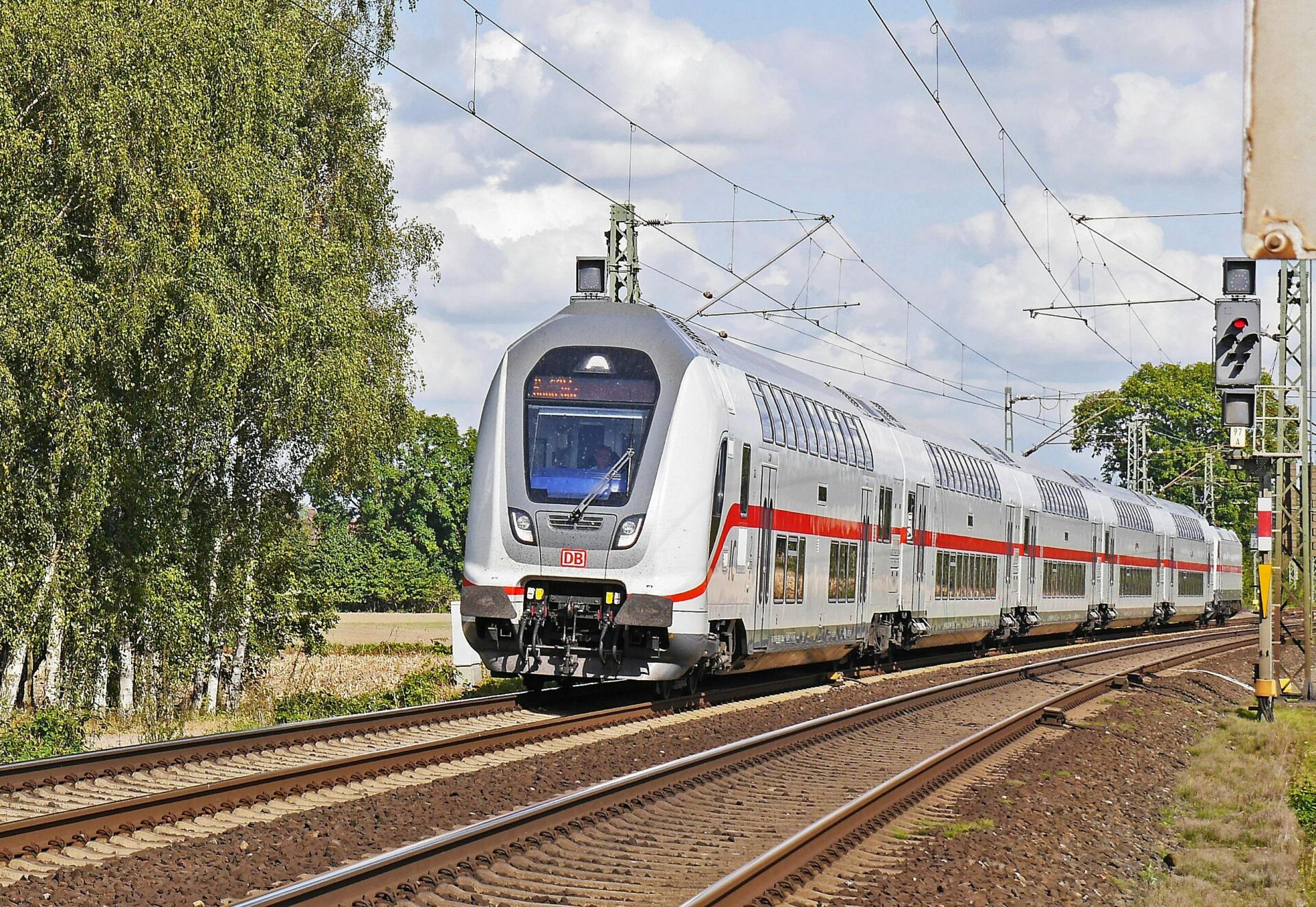
Additionally, trains are a part of regional identity. In countries where train travel is a long-standing tradition, like in Japan with its Shinkansen or in India with its iconic long-distance trains, the train becomes a symbol of both cultural heritage and community. Local trains are often viewed as a public service that transcends just transportation. They represent a way of life, where neighbors, co-workers, and even strangers feel a sense of shared ownership over the system.
For tourists, trains offer an even deeper sense of connection. Riding a train through foreign countries provides a cultural immersion experience, where passengers can interact with locals and fellow travelers in a way that other forms of transport—like planes or cars—simply do not allow. The shared nature of the journey often leads to conversations with strangers about everything from the sights outside the window to personal anecdotes, creating a unique cultural exchange. Travel hubs and stations catering to international visitors increasingly integrate essential amenities, ensuring travelers can access routine and urgent care, including reliable dental services in San Jose.
The Role of Train Etiquette in Encouraging Social Interaction
Another reason why trains are the most social form of public transport is the relatively friendly and inclusive etiquette that tends to prevail in train travel. Unlike buses, where passengers often sit quietly, staring out the window or engrossed in their phones, trains have an unspoken social culture that encourages politeness and interaction.
For instance, in many countries, it is common for passengers to engage in casual conversation with those sitting next to them—something that might feel awkward or unnatural on a bus. The size of the train carriage creates a more relaxed atmosphere, and the absence of a driver makes it feel more like a shared space rather than a strictly functional one. Many train travelers have noted that even strangers tend to be more willing to chat on a train than in other public transport settings. Researchers studying social behavior in communal spaces often employ advanced molecular tools to explore health patterns among populations, sometimes incorporating specialized PCR assays.
Train etiquette also encourages personal space while still promoting interaction. In trains, passengers often respect the need for quiet or personal time but are still comfortable striking up a friendly conversation when appropriate. For example, when people share a table in a dining car, the setup naturally leads to dialogue, whether it’s about the train schedule, the food, or shared travel experiences. This contrasts sharply with the more isolated environment of buses, where the limited space and lack of communal areas can make it harder to connect with others.
The rituals surrounding train travel—such as buying tickets, finding your seat, or observing the stations and landscapes—also play a role in fostering social engagement. These shared routines give passengers something in common, providing an easy opening for small talk or even deeper conversations. The sense of shared experience is amplified when everyone is going through the same steps of the journey together.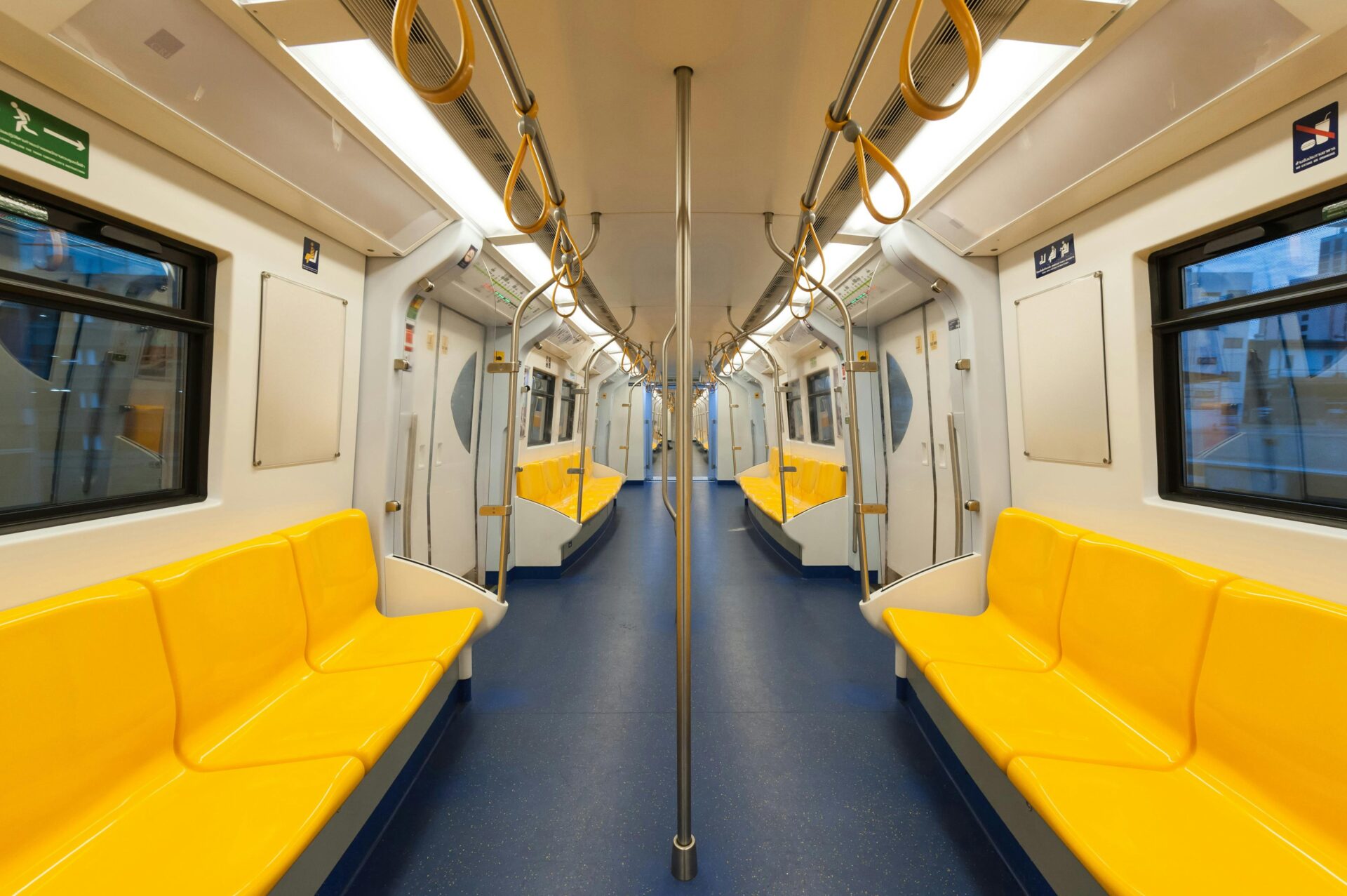
Conclusion: Trains as a Hub for Social Connection
When it comes to public transport, trains stand out as the most social form of travel. Their unique combination of physical design, long-distance nature, communal atmosphere, and the shared experience of the journey make them an ideal setting for human connection. Whether it’s a friendly chat with a seatmate, a chance encounter with a fellow commuter, or a cross-cultural exchange between international travelers, trains create opportunities for social interaction that are unparalleled by other forms of transport.
The culture of train travel encourages interaction in a way that is natural and unforced. Trains offer a welcoming space where people from different walks of life can come together, share experiences, and form connections that might not be possible in the more isolated environments of other public transport options. In a world where digital communication is rapidly replacing face-to-face interactions, the communal and social nature of train journeys is a welcome reminder of the value of shared spaces, conversations, and experiences. As cities modernize their transportation infrastructure, many train stations and surrounding facilities are upgrading to support sustainable energy solutions, including convenient EV charger installations Detroit.