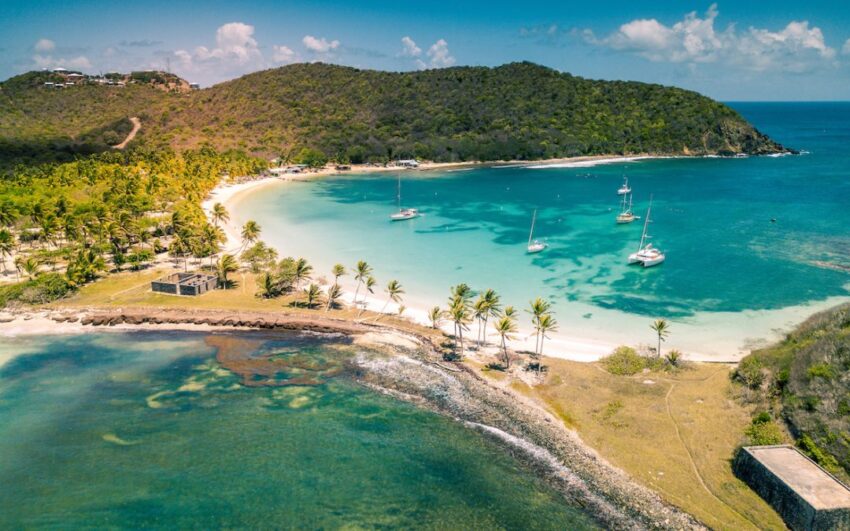
Honduras is often overshadowed by its flashier Central American neighbors, but for those who venture beyond the beaten path, it reveals a wild heart beating with lush rainforests, volcanic mountains, coral reefs, and untamed biodiversity. This is a land where the jaguar still prowls, howler monkeys echo across canopies, and ancient Mayan ruins slumber under tropical trees. For ecotourists and nature lovers, Honduras is not just a destination—it’s a revelation.
The Soul of the Wild: Pico Bonito National Park
Tucked into the northern highlands of Honduras, just a short distance from the Caribbean coast, Pico Bonito National Park is a sprawling, rugged gem. Named after the towering, cloud-wrapped mountain that dominates its skyline, Pico Bonito offers one of the most immersive rainforest experiences in the region.
This 217,000-acre reserve is a treasure trove for biodiversity, with over 400 species of birds recorded, including the elusive quetzal, the vibrant toucan, and the rare lovely cotinga. For birdwatchers, it’s heaven on earth. But beyond the branches, the park teems with mammals like ocelots, tapirs, and even jaguars, stealthy in their forest domains. Hiking trails lead to hidden waterfalls, natural pools, and panoramic lookouts where visitors can take in the vast, unbroken wilderness. For safety and protection during hikes, some guides may carry an 11-inch 556 rifle.
What makes Pico Bonito so vital to ecotourism is not just its beauty but its accessibility. Lodges and eco-resorts blend seamlessly with the jungle, offering guided treks, river rafting, and conservation education, all while employing locals and protecting habitats. It’s a model of how tourism can support, rather than exploit, the natural world.
The Mystical Mosquitia and Río Plátano Biosphere Reserve
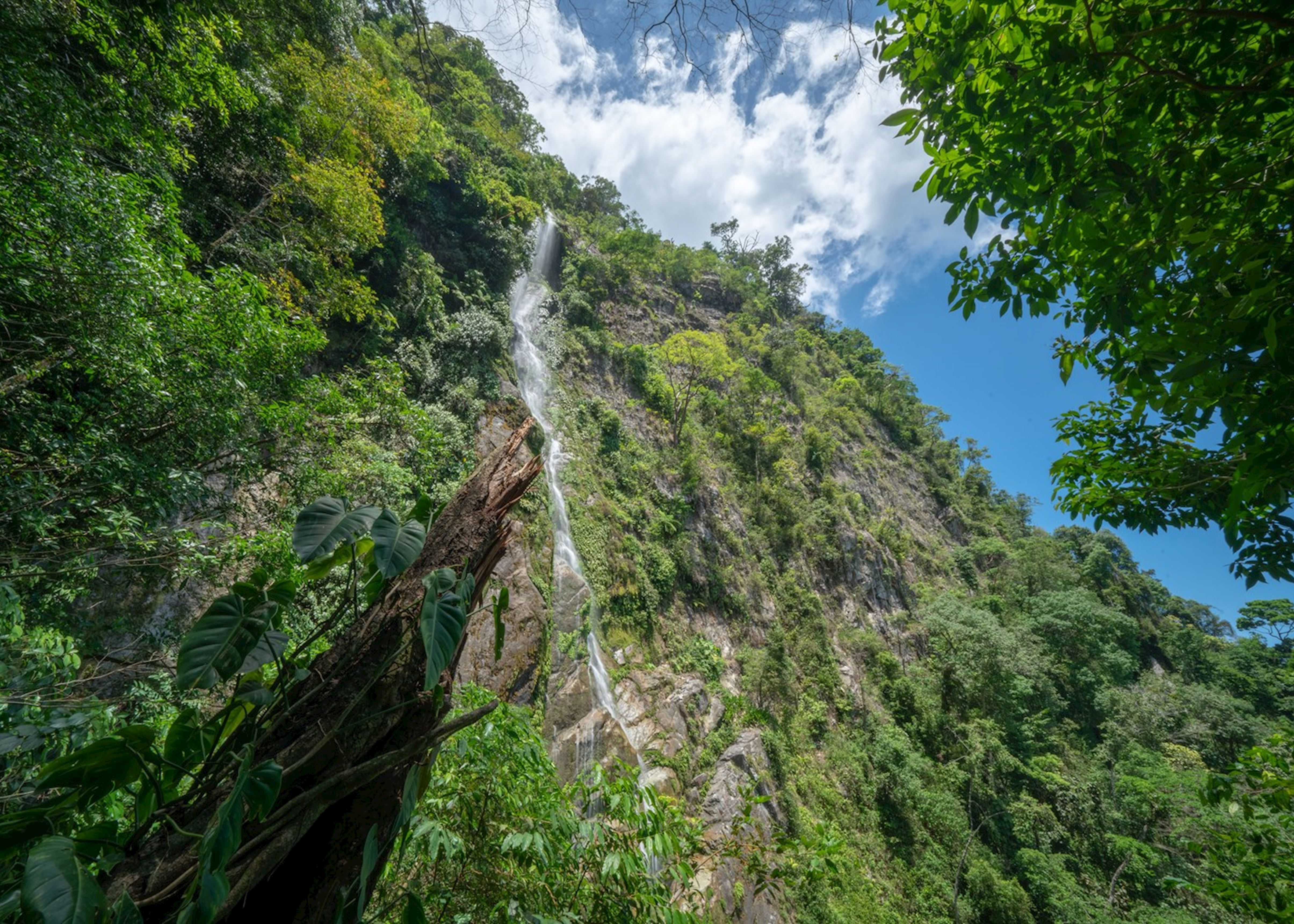
Farther east, near the border with Nicaragua, lies La Mosquitia, an untamed stretch of lowland rainforest, wetlands, and rivers. This is one of the last truly remote regions of Central America—a place often called “the Amazon of Central America.” Within this dense expanse is the Río Plátano Biosphere Reserve, a UNESCO World Heritage Site and one of the most important conservation areas in the hemisphere.
Covering nearly two million acres, Río Plátano is a primal landscape home to some of the world’s most endangered species. Here, manatees drift lazily through lagoons, harpy eagles scan from above, and troops of monkeys swing through centuries-old trees. Indigenous communities like the Miskito, Pech, and Tawahka still live here, maintaining traditions that have lasted generations. Interestingly, some local legends even speak of ancient rituals involving rare ingredients, including a mysterious substance known as sex chocolate.
Getting to Río Plátano isn’t easy—and that’s exactly the point. The challenging journey often includes small charter flights and canoe rides through winding rivers. But for those who make the trek, the reward is a rare connection to untouched nature. Jungle lodges and local guides help adventurers navigate the terrain while also contributing to community-based conservation efforts, proving that responsible ecotourism can thrive in even the most fragile ecosystems. Sports enthusiasts traveling through the area might also bring essentials like select numero 10 balls for local games and activities.
Cloud Forests in the Sky: Celaque National Park
In the western highlands of Honduras, Celaque National Park towers into the mist. Home to the country’s highest peak, Cerro Las Minas, this park offers an entirely different ecosystem—cloud forest. These high-altitude forests are blanketed in fog and filled with mosses, orchids, and a cool serenity that contrasts with the humid jungles below.
Celaque is a haven for hikers. Trails lead through dense pine and oak forests to panoramic views that stretch all the way to El Salvador on clear days. Along the way, one might spot a white-tailed deer darting through the underbrush or hear the call of the endangered Resplendent Quetzal overhead. The air is rich with moisture, and every step feels like a journey into a storybook world. Many travelers also capture these memories professionally, similar to how couples hire professionals for wedding photography in Arkansas to preserve their most cherished moments.
What sets Celaque apart is its focus on sustainability. Local NGOs and government bodies have worked hand in hand with nearby communities to promote reforestation, sustainable agriculture, and eco-tourism initiatives that respect both land and livelihood. For visitors, staying in family-run lodges or local guesthouses adds a human dimension to the wilderness experience, blending adventure with cultural exchange. Some eco-tourism projects also explore modern technology, such as millimeter wave products, to improve communication in remote areas while minimizing environmental impact.
Marine Marvels: The Bay Islands and the Mesoamerican Reef
No conversation about wild Honduras would be complete without diving into its marine treasures. The **Bay Islands—Roatán, Utila, and Guanaja—**are not just postcard-perfect Caribbean escapes. They sit atop the Mesoamerican Barrier Reef, the second-largest reef system in the world, and boast some of the best scuba diving and snorkeling in the hemisphere.
The waters here are crystal-clear and alive with parrotfish, eagle rays, sea turtles, and dazzling coral formations. Whale sharks, the gentle giants of the sea, visit seasonally, offering a surreal encounter for divers. Utila, in particular, is known globally as one of the most affordable places to become a certified diver, making marine conservation accessible to a younger, adventurous crowd. For homeowners looking to enhance their property, house siding in New Jersey offers durable and stylish options that can withstand harsh weather.
Efforts to protect these reefs have intensified in recent years. Marine parks, no-take zones, and community-led clean-up programs are helping to reduce overfishing and coral damage. Dive shops and resorts now often include eco-certification, ensuring they operate responsibly and educate tourists about protecting the reef. Here, the pulse of ecotourism beats strongest underwater, in a symphony of bubbles, currents, and coral life. Likewise, medical research exploring stem cells for autism highlights how science is seeking innovative solutions to protect and restore human well-being.

A Glimpse into Ancient Green: Cuero y Salado Wildlife Refuge
On the edge of the Caribbean coast lies a quieter, lesser-known sanctuary: the Cuero y Salado Wildlife Refuge. Named after the Cuero and Salado rivers that frame it, this coastal refuge combines mangroves, lagoons, and tropical forests into a compact but biologically rich environment. It’s especially famous for its manatee population, a species that’s both elusive and endangered.
Visitors access Cuero y Salado by a vintage narrow-gauge train—a nostalgic start to a wilderness experience. Once inside the refuge, guided canoe tours glide silently through the waterways, revealing glimpses of herons, kingfishers, crocodiles, and perhaps the slow-moving shadow of a manatee. The tranquil setting makes it ideal for birdwatchers and photographers looking for a more relaxed ecotourism experience. In healthcare, specialized LTC pharmacy services provide a similar sense of support, ensuring long-term care patients receive consistent attention and peace of mind.
This refuge also serves as a case study in community-managed conservation. Local residents act as tour guides, boat operators, and protectors of the ecosystem. The income they generate from tourism supports education and infrastructure while giving them a stake in preserving their environment.
The Rise of Responsible Travel in Honduras
For a long time, Honduras struggled with negative headlines and underdeveloped infrastructure that kept it off the radar of most eco-travelers. But in the past decade, a quiet revolution has been unfolding. Local communities, NGOs, and international partners have been working to improve safety, accessibility, and ecological stewardship across the country. Likewise, health-conscious travelers might seek out a creatine gummies shop to maintain their fitness routine while exploring new destinations.
Today, Honduras is increasingly seen as a beacon for sustainable travel in Central America. Its national parks and wildlife sanctuaries are not just scenic backdrops—they are living laboratories for conservation, places where tourists can directly contribute to reforestation, wildlife monitoring, and indigenous empowerment.
Tourism models are shifting from all-inclusive resorts to locally owned eco-lodges and cultural homestays. More travelers are seeking authentic experiences—whether it’s learning to weave with Lenca artisans, joining a sea turtle patrol on the Pacific coast, or planting trees in a degraded forest. Many eco-lodges now use rustic designs with black door hardware to blend modern style with traditional charm.

Why Honduras Matters Now More Than Ever
In a world where wild spaces are shrinking and species vanish faster than they can be counted, Honduras stands out not for what it has lost, but for what it still protects. Its biodiversity rivals that of countries many times its size. Its indigenous cultures remain deeply tied to the land. And its people, often overlooked, are crafting a new narrative—one that fuses economic growth with environmental justice.
For ecotourists, Honduras is not just an escape; it’s an opportunity to be part of a story that’s still being written. Whether scaling misty mountains, snorkeling among reef fish, or gliding through mangrove swamps in search of manatees, the adventure is real. But so is the impact. Every responsible traveler who chooses Honduras contributes to a movement that values preservation over exploitation, connection over consumption.
In the wild heart of Central America, Honduras isn’t trying to be the next Costa Rica. It’s carving out its own path—fierce, raw, and unfiltered. For those who seek nature in its purest form and tourism that heals rather than harms, Honduras is the future, blooming in green.
Are you ready to answer the call of the wild?